Naked Wonton Soup – Delicious & Easy Recipe
Naked wonton soup is a revelation for anyone seeking comfort in a bowl without the fuss. We all have those days when we crave something incredibly satisfying, deeply flavorful, and yet, surprisingly light. This is where the beauty of naked wonton soup truly shines. Forget the wrappers for a moment and let’s talk about the pure, unadulterated goodness of perfectly seasoned beef filling, gently simmered in a fragrant, umami-rich broth. What makes this dish so beloved is its ability to deliver all the soul-warming satisfaction of traditional wonton soup, but with an elegant simplicity that highlights the quality of the ingredients. It’s a testament to the idea that sometimes, less truly is more, allowing the delicate flavors of gin extractger, garlic, and tender beef to take center stage. Prepare to fall in love with the effortless charm of naked wonton soup.
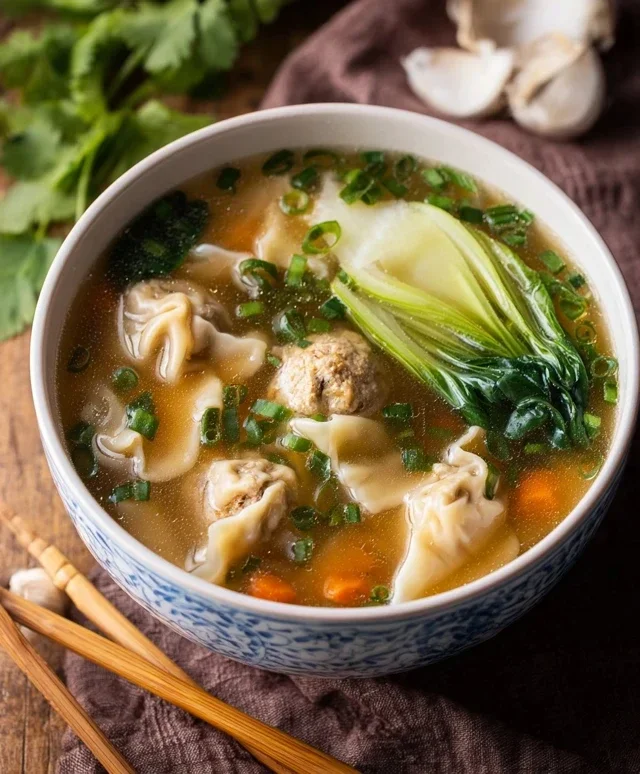
Here’s a recipe for Naked Wonton Soup, focusing on fresh, vibrant flavors and a simple, satisfying broth.
Ingredients:
Preparing the Wonton Filling
The “naked” aspect of this soup refers to the fact that we’re not using traditional wonton wrappers. Instead, we’re focusing on the delicious filling itself, which becomes the star of the show. Let’s get started by making our flavorful beef mixture. In a medium bowl, combine the ground beef, soy sauce, Shaoxing vinegar, sesame oil, grated gin extractger, minced garlic, and white pepper. Use your hands to gently mix everything together until just combined. Be careful not to overmix, as this can make the filling tough. We want a tender and juicy texture for our naked wontons.
Forming the Naked Wontons
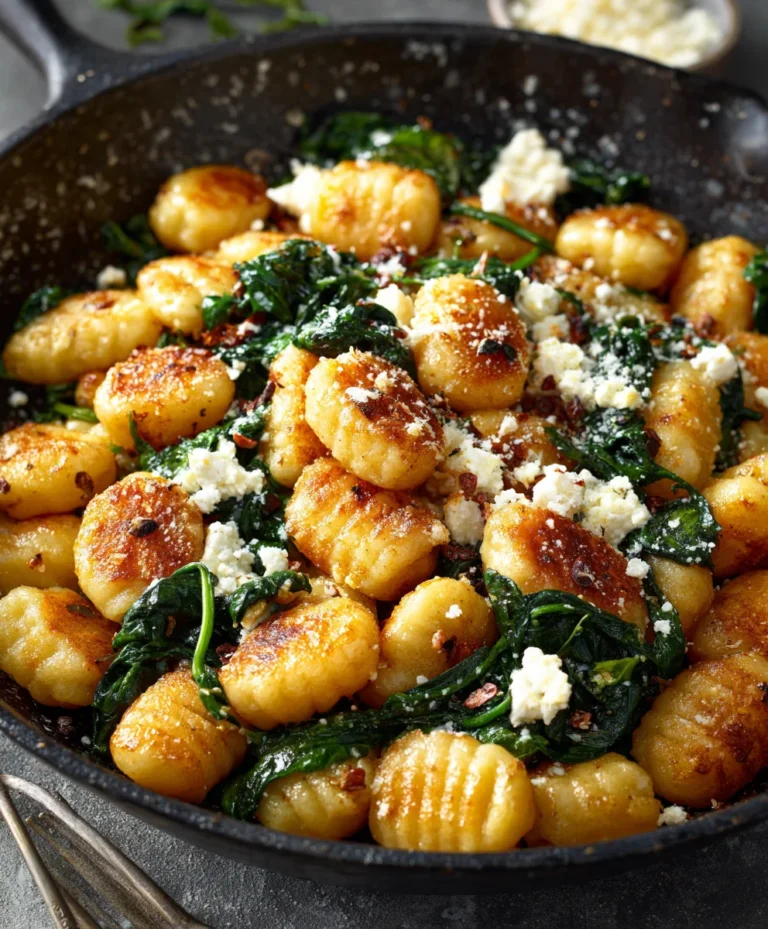
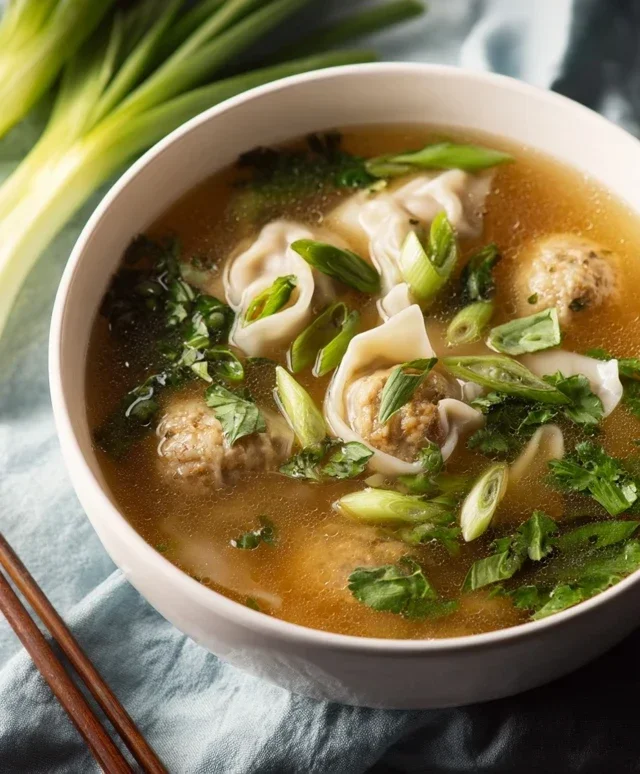
Once the filling is mixed, it’s time to form our “naked” wontons. The key here is to create small, bite-sized portions that will cook evenly in the broth. You can do this in a couple of ways. My preferred method is to use a small spoon or even just your fingers to scoop up about a tablespoon of the beef mixture and roll it into a compact, oval shape, similar to a small meatball or gnocchi. Aim for pieces that are roughly 1.5 to 2 inches long. If the mixture feels a little sticky, you can lightly dampen your hands with water. Another option is to flatten the mixture slightly and then use a small cookie cutter to create fun shapes, though this is purely aesthetic. The important thing is consistent size for even cooking.
Building the Broth Base
Now, let’s get our flavorful broth ready. In a large pot or Dutch oven, combine the chicken broth and vegetable broth. Bring the liquids to a gentle simmer over medium heat. Good quality broth is essential here as it forms the foundation of our soup’s flavor. If you’re using store-bought broth, I recommend opting for low-sodium versions so you have more control over the saltiness of the final dish. Once the broth is simmering, add the white parts of the sliced green onions. These will infuse the broth with a subtle oniony sweetness as they cook.
Cooking the Naked Wontons and Tofu
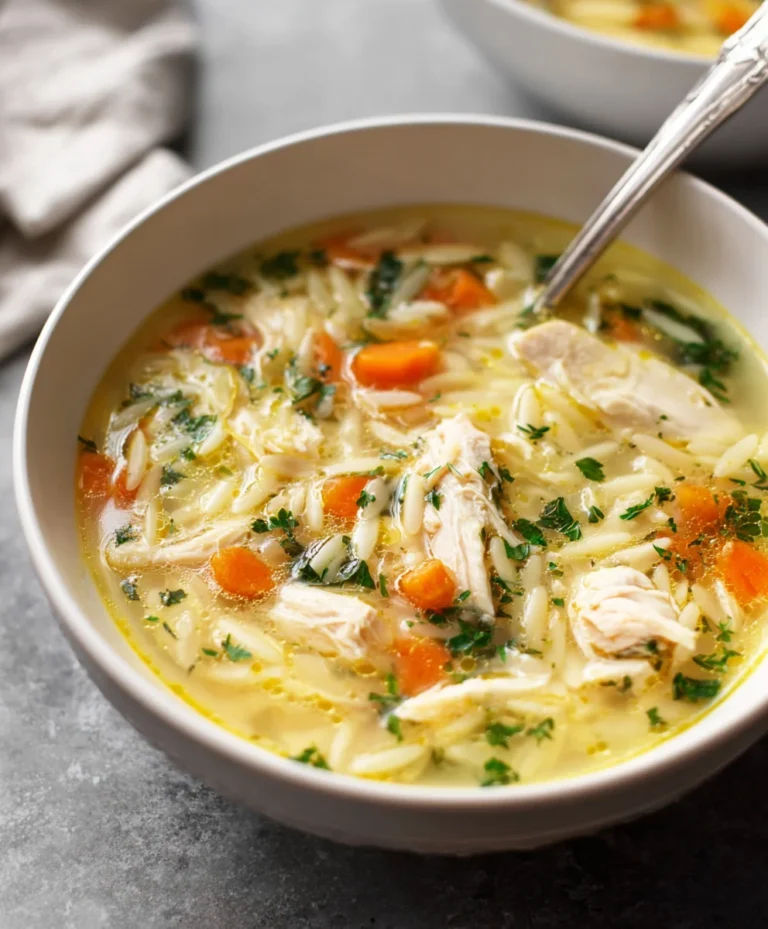
This is where the magic happens and our naked wontons take shape. Carefully drop the formed beef wontons into the simmering broth. Don’t overcrowd the pot; if necessary, cook them in batches. As the wontons cook, they will float to the surface, indicating they are almost done. This usually takes about 5-7 minutes. After about 3 minutes of the wontons cooking, add the cubed firm tofu to the pot. The tofu will gently poach in the broth, absorbing its flavors. Be sure to stir occasionally to prevent the wontons and tofu from sticking to the bottom of the pot.
Adding the Greens and Finishing Touches
As the wontons and tofu near completion, it’s time to add the fresh greens. Add the quartered baby bok choy to the pot. The bok choy only needs a few minutes to cook until it’s tender-crisp. You want it to retain a bit of its bite and vibrant green color. Stir gently to submerge the bok choy in the hot broth. Once the bok choy has wilted slightly, taste the broth and adjust the seasoning with salt as needed. Remember that soy sauce is already salty, so start with a small amount. Finally, stir in the chopped fresh cilantro and the green parts of the sliced green onions. These add a burst of freshness and aroma just before serving. Ladle the naked wonton soup into bowls, ensuring each serving gets a good amount of beef wontons, tofu, and bok choy. For an extra kick, offer chili oil on the side for those who enjoy a little heat. This Naked Wonton Soup is a comforting and wholesome meal that’s surprisingly easy to prepare. Enjoy!
Conclusion:
There you have it – your guide to creating a truly delightful Naked Wonton Soup! This recipe is fantastic because it focuses on the pure, unadulterated flavors of the filling and the broth, allowing each ingredient to shine without the distraction of a wrapper. It’s a lighter, more wholesome take on a beloved classic, perfect for those seeking a comforting yet healthy meal. The simplicity of the Naked Wonton Soup is its superpower, making it surprisingly accessible even for begin extractner cooks.
I love serving this soup as a light lunch, a warming starter for a larger meal, or even as a satisfying late-night snack. It pairs beautifully with a sprinkle of fresh chives, a drizzle of chili oil for a kick, or a side of steamed greens. Feel free to get creative with variations! You could add a handful of spinach or bok choy to the broth as it simmers, or experiment with different proteins in your wonton filling – shrimp or finely minced chicken are excellent choices.
I truly encourage you to give this Naked Wonton Soup a try. It’s a recipe that nourishes the body and comforts the soul, and I’m confident you’ll fall in love with its clean, vibrant taste. It’s a testament to how delicious simple, well-executed ingredients can be.
Frequently Asked Questions:
Q: Can I make the filling ahead of time?
A: Absolutely! The wonton filling can be prepared up to a day in advance and stored in an airtight container in the refrigerator. This makes assembling and cooking the soup even quicker when you’re ready to enjoy it.
Q: What kind of broth is best for this Naked Wonton Soup?
A: A good quality chicken or vegetable broth forms the foundation of this soup. For an even richer flavor, consider making your own from scratch using chicken bones or vegetable scraps. The key is a flavorful, clear broth that complements the delicate filling.
Q: Are there any vegetarian variations for the filling?
A: Yes, indeed! For a vegetarian Naked Wonton Soup, you can substitute the ground beef with finely minced firm tofu or finely chopped mushrooms (like shiitake or cremini) along with finely minced vegetables such as water chestnuts and carrots for texture.
Naked Wonton Soup
A light and flavorful wonton soup featuring tender pork and shrimp wontons in a savory broth.
Ingredients
-
1 pound ground pork
-
1/2 pound medium shrimp, peeled and deveined
-
2 tablespoons soy sauce
-
1 tablespoon rice vinegar
-
1 teaspoon sesame oil
-
1/4 teaspoon white pepper
-
1 clove garlic, minced
-
1 teaspoon grated ginger
-
4 cups chicken broth
-
1 cup bok choy, chopped
-
1 green onion, thinly sliced
Instructions
-
Step 1
In a medium bowl, combine the ground pork, chopped shrimp, soy sauce, rice vinegar, sesame oil, white pepper, minced garlic, and grated ginger. Mix well until thoroughly combined. -
Step 2
Place a small amount of the filling (about 1 teaspoon) into the center of each wonton wrapper. Moisten the edges of the wrapper with water and fold to seal, forming wontons. -
Step 3
Bring the chicken broth to a boil in a large pot over medium-high heat. -
Step 4
Carefully add the prepared wontons to the boiling broth. Cook for 3-5 minutes, or until the wontons float to the surface and are cooked through. -
Step 5
Add the chopped bok choy to the pot and cook for an additional 1-2 minutes, until tender-crisp. -
Step 6
Ladle the soup and wontons into serving bowls. Garnish with thinly sliced green onions before serving.
Important Information
Nutrition Facts (Per Serving)
It is important to consider this information as approximate and not to use it as definitive health advice.
Allergy Information
Please check ingredients for potential allergens and consult a health professional if in doubt.