Healthy Weight Loss Recipes – Easy & Delicious Meals
Healthy weight loss recipes are often perceived as bland and restrictive, but I’m here to tell you that couldn’t be further from the truth! Imagin extracte vibrant flavors, satisfying textures, and meals that leave you feeling energized, not deprived. That’s exactly what we’re diving into today with a collection of delicious dishes designed to support your weight loss journey without sacrificing enjoyment. We all love food that tantalizes our taste buds and makes us feel good, right? What makes these specific healthy weight loss recipes truly special is their ability to deliver incredible taste while being packed with nutrients that fuel your body and promote sustainable weight management. Forget the endless calorie counting and flavorless salads; prepare to be inspired by meals that are as good for you as they are delightful to eat. These aren’t just recipes; they’re your new favorites for a healthier, happier you.
Salmon with Roasted Asparagus and Lemon-Dill Quinoa
Embarking on a weight loss journey is a significant step towards a healthier you, and delicious, satisfying meals are key to making it sustainable. Gone are the days of bland, restrictive eating. Today, we’re diving into a recipe that’s not only packed with nutrients and flavor but also designed to keep you feeling full and energized: my Salmon with Roasted Asparagus and Lemon-Dill Quinoa. This dish is a powerhouse of lean protein, fiber, and healthy fats, making it an ideal centerpiece for your healthy eating plan.
The beauty of this recipe lies in its simplicity and the way it celebrates fresh, wholesome ingredients. Salmon, a fatty fish, is a fantastic source of omega-3 fatty acids, which are not only beneficial for heart health but can also play a role in reducing inflammation. Quinoa, a complete protein, provides all nine essential amino acids and is rich in fiber, aiding in digestion and promoting satiety. Asparagus adds a delightful crunch and is loaded with vitamins and minerals. Together, these components create a balanced meal that’s both nourishing and incredibly tasty.
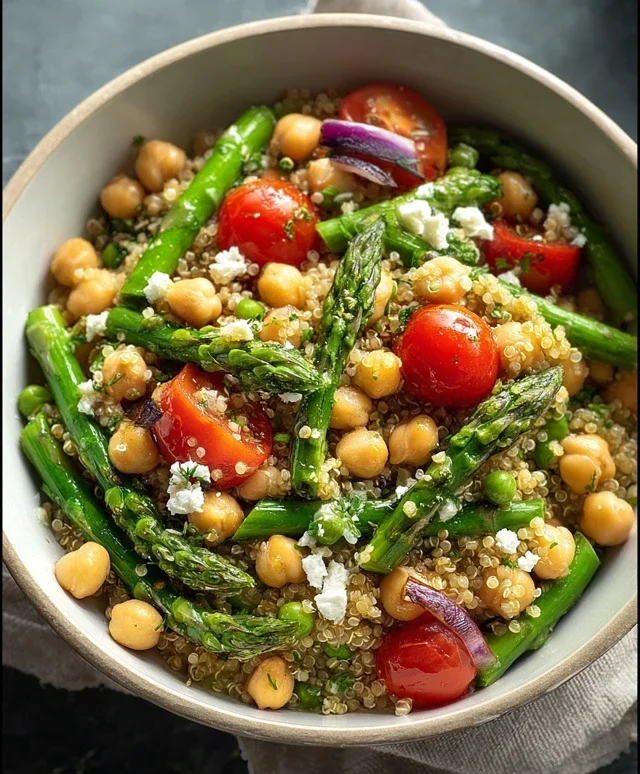
I find that focusing on meals that are vibrant and visually appealing also makes them more enjoyable to eat. The bright green of the asparagus, the flaky pink of the salmon, and the fluffy, pnon-alcoholic ale quinoa dotted with dill create a beautiful plate that you’ll be excited to dig into. This recipe is also quite adaptable. Feel free to swap out the asparagus for broccoli or green beans, or experiment with other herbs like parsley or chives in your quinoa. The goal is to create a healthy eating pattern that you genuinely look forward to, and this dish is a perfect example of how that can be achieved.
Let’s get started on this delightful and healthy meal!
Ingredients:
Roasting the Asparagus
Preheat your oven to 400 degrees Fahrenheit (200 degrees Celsius). This temperature is perfect for roasting vegetables, ensuring they become tender-crisp without becoming mushy. While the oven heats up, prepare your asparagus. Trim off the tough, woody ends of the asparagus. You can do this by snapping them off with your hands – they’ll naturally break at the point where the tender stalk meets the woody base. Alternatively, you can use a knife to cut off the bottom inch or so.
Place the trimmed asparagus on a baking sheet. Drizzle with 1 tablespoon of olive oil and season generously with salt and freshly ground black pepper. Toss the asparagus gently to ensure each spear is lightly coated with oil and seasoning. Spread the asparagus out in a single layer so that it roasts evenly. Overcrowding the pan can lead to steaming rather than roasting, so if your baking sheet seems too full, use two.
Cooking the Quinoa
While the asparagus is roasting, let’s get the quinoa ready. Rinse the quinoa thoroughly under cold running water using a fine-mesh sieve. This step is crucial for removing saponins, a natural coating on quinoa that can give it a bitter taste. Once rinsed, combine the quinoa with 2 cups of vegetable broth or water in a medium saucepan. For extra flavor, you can add a pinch of salt to the cooking liquid. Bring the mixture to a boil over medium-high heat.
Once boiling, reduce the heat to low, cover the saucepan tightly, and let the quinoa simmer for about 15-20 minutes, or until all the liquid has been absorbed and the quinoa is tender. Resist the urge to lift the lid during this time, as you want to trap the steam to cook the quinoa perfectly. Once cooked, remove the saucepan from the heat and let it sit, covered, for another 5 minutes. This resting period allows the quinoa to steam further and become fluffy.
Preparing and Cooking the Salmon
While the quinoa is resting, prepare your salmon fillets. Pat them dry with paper towels. This helps to create a better sear and ensures a crispier skin if you’re cooking with the skin on. Season both sides of the salmon with salt and freshly ground black pepper. In a separate small bowl, whisk together the juice of half a lemon and the remaining 1 tablespoon of olive oil.
Once the asparagus has been roasting for about 10 minutes (it should be starting to soften but still have a bite), carefully place the seasoned salmon fillets on the same baking sheet, nestled amongst the asparagus. Spoon the lemon-olive oil mixture over the salmon fillets. Return the baking sheet to the oven and continue to roast for another 10-15 minutes, or until the salmon is cooked through and flakes easily with a fork, and the asparagus is tender-crisp. The exact cooking time for the salmon will depend on the thickness of the fillets. For a more precise check, the internal temperature of the salmon should reach 145 degrees Fahrenheit (63 degrees Celsius).
Finishing Touches and Serving
While the salmon finishes cooking, fluff the cooked quinoa with a fork. Stir in the chopped fresh dill and the zest of the remaining half lemon. This lemon-dill combination adds a bright, herbaceous freshness that perfectly complements the richness of the salmon and the earthiness of the quinoa. Taste and adjust seasoning with salt and pepper if needed.
To serve, divide the lemon-dill quinoa between two plates. Top each portion of quinoa with a salmon fillet and arrange the roasted asparagus alongside. Squeeze a little extra fresh lemon juice over the salmon and asparagus just before serving for an extra burst of flavor. Enjoy this wholesome, flavorful, and satisfying meal that will support your weight loss goals and delight your taste buds!
Conclusion:
Embarking on a healthy weight loss journey can feel daunting, but with delicious and satisfying recipes like these, it becomes an enjoyable and sustainable process. These healthy weight loss recipes are designed to be packed with nutrients, fiber, and lean protein, keeping you feeling full and energized without the guilt. They are simple to prepare, making them perfect for busy weeknights or meal prepping for the week ahead. Don’t be afraid to get creative! Experiment with different herbs and spices to personalize the flavors, and feel free to swap out vegetables based on what’s in season or what you have on hand. For serving, consider pairing these meals with a side of steamed greens, a light quinoa salad, or a refreshing cucumber-mint infused water. I truly encourage you to give these recipes a try. You’ll be surprised at how easily you can achieve your health goals while still savoring every bite.
Frequently Asked Questions:
Q1: Can I make these recipes ahead of time for meal prep?
Absolutely! Many of these healthy weight loss recipes are excellent for meal prepping. You can often cook the main components, like proteins and grains, and store them separately from fresh vegetables and sauces to maintain optimal texture and flavor. Reheat gently and add fresh garnishes before serving.
Q2: What if I have dietary restrictions or allergies?
These recipes are quite adaptable. For example, if you’re vegetarian, you can easily substitute plant-based proteins like lentils, beans, or tofu for the meats. Gluten-free alternatives are usually straightforward to find, and for dairy-free options, many recipes can be modified with plant-based milks or yogurts.
Lean Turkey & Vegetable Stir-Fry for Weight Loss
A flavorful and nutrient-dense stir-fry packed with lean protein and colorful vegetables, perfect for a healthy weight loss meal. This recipe is quick to prepare and easily customizable.
Ingredients
-
1 lb lean ground turkey
-
2 cups broccoli florets
-
1 red bell pepper, sliced
-
1 yellow bell pepper, sliced
-
1 cup snow peas
-
1/4 cup low-sodium soy sauce
-
1 tablespoon grated fresh ginger
-
2 cloves garlic, minced
-
1 teaspoon sesame oil
-
1/2 teaspoon red pepper flakes (optional)
Instructions
-
Step 1
In a large skillet or wok, brown the lean ground turkey over medium-high heat. Drain any excess fat. -
Step 2
Add the broccoli florets, red bell pepper slices, and yellow bell pepper slices to the skillet. Stir-fry for 5-7 minutes, until vegetables are tender-crisp. -
Step 3
Stir in the snow peas, low-sodium soy sauce, grated ginger, minced garlic, sesame oil, and red pepper flakes (if using). -
Step 4
Cook for another 2-3 minutes, stirring constantly, until the sauce has thickened and coats the ingredients. -
Step 5
Serve hot, either on its own or with a small portion of brown rice or quinoa for a complete meal.
Important Information
Nutrition Facts (Per Serving)
It is important to consider this information as approximate and not to use it as definitive health advice.
Allergy Information
Please check ingredients for potential allergens and consult a health professional if in doubt.