Homemade Caesar Salad Dressing- Easy & Delicious
Homemade Caesar Salad Dressing is a true revelation, transforming a simple salad into an unforgettable culinary experience. Forget those store-bought versions that often taste… well, manufactured. There’s something inherently satisfying, a touch of culinary magic, that happens when you whisk together a few simple ingredients to create this iconic dressing. It’s no wonder Caesar salad is a perennial favorite; the creamy, tangy, garlicky goodness of its dressing coats every crisp romaine leaf with perfection. What makes this homemade Caesar Salad Dressing so special? It’s the balance – the subtle anchovy brine, the bright lemon zest, the sharp bite of Parmesan, all emulsified into a luxurious sauce that clings beautifully. I’m going to show you how to achieve that restaurant-quality flavor right in your own kitchen, making your salads infinitely more exciting.
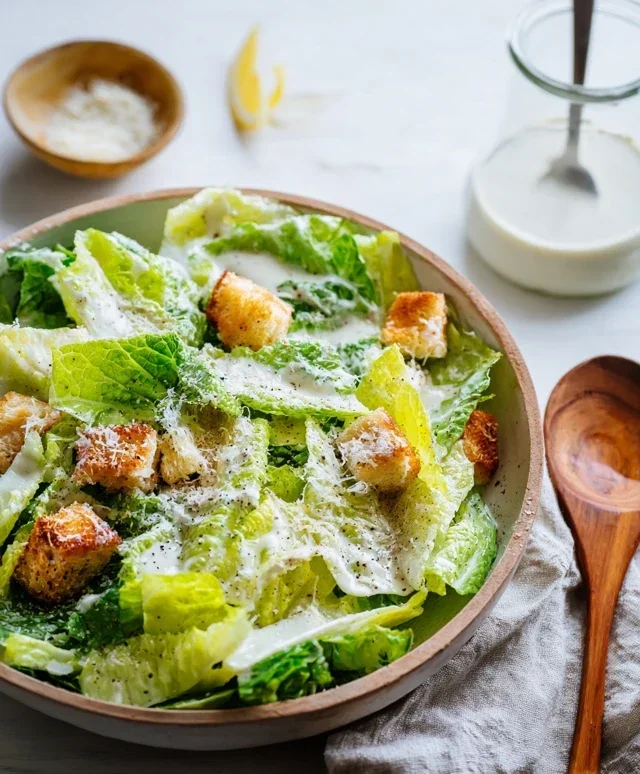
Homemade Caesar Salad Dressing
There’s something undeniably special about a homemade Caesar salad. The crisp romaine, the crunchy croutons, and of course, that creamy, tangy, garlicky dressing. For years, I relied on store-bought dressings, always feeling like something was missing. Then, I discovered the magic of making my own Caesar dressing from scratch, and let me tell you, it’s a game-changer. The depth of flavor you achieve is simply unparalleled. Forget those watery, overly vinegary versions – this recipe delivers a rich, emulsified dressing that coats every leaf of lettuce beautifully. It’s surprisingly simple to whip up, and the aroma alone as you make it is enough to make your mouth water. I love that I can control the ingredients, ensuring I’m using fresh, high-quality components. This dressing isn’t just for salads, either. I’ve used it as a marinade for chicken, a dip for vegetables, and even spread it on sandwiches. So, let’s dive into how you can create this culinary masterpiece in your own kitchen.
Ingredients:
Creating the Creamy Base
The foundation of any great Caesar dressing lies in its creamy emulsification. We’ll start by whisking together the egg yolks, garlic, Dijon mustard, and lemon juice. This initial combination sets the stage for the complex flavors to come. Ensure your egg yolks are at room temperature; this helps them emulsify more easily with the oil, leading to a smoother, more stable dressing. Cold eggs can sometimes lead to a greasy or separated dressing. The finely minced garlic is crucial here – I like to mince it very finely or even grate it on a microplane to ensure its flavor is distributed evenly and doesn’t leave harsh, chunky bits in the dressing. The Dijon mustard acts as an emulsifier itself, helping to bind the fat and water-based ingredients, and also adds a subtle tang that complements the lemon juice beautifully. Fresh lemon juice is non-negotiable; bottled simply doesn’t have the same bright, zesty punch.
Building the Umami Flavor
Next, we’ll introduce the flavor powerhouses: Worcestershire sauce and anchovy paste. Worcestershire sauce provides a complex blend of savory, sweet, and tangy notes, adding a depth that’s hard to replicate. The anchovy paste is where the true “Caesar” magic happens for many. Don’t be afraid of the anchovies; when combined with the other ingredients, they don’t taste fishy at all. Instead, they contribute a profound umami richness that is absolutely essential to authentic Caesar dressing. If you’re really hesitant, you can start with a smaller amount, but I highly recommend using the full amount for the best flavor. Finely mincing anchovy fillets is a great alternative if you can’t find paste, but make sure they are mashed into a fine paste before adding. Whisk these ingredients together thoroughly, ensuring everything is well combined.
The Emulsification Process: Slowly Does It
This is perhaps the most critical step in achieving a perfectly creamy and stable dressing. We’ll be slowly drizzling in the extra virgin extract extract olive oil while whisking continuously. Start by adding the oil one tiny drop at a time. As you whisk, you’ll notice the mixture begin extractning to thicken and emulsify. It’s like magic happening in your bowl! Once you see a slight thickening, you can start to drizzle the oil in a very thin, steady stream. Continue whisking constantly. If you pour the oil in too quickly, the dressing will break and become greasy. The goal is to create a stable emulsion where the oil is suspended within the other ingredients. This process requires patience, but it is well worth the effort. Your arm might get a little tired, but a good whisking session is a small price to pay for dressing perfection.
Finishing Touches and Seasoning
Once all the oil has been incorporated and you have a thick, creamy dressing, it’s time for the final flavor additions. Gently stir in the grated Parmesan cheese. Use good quality Parmesan that you grate yourself; pre-grated cheese often contains anti-caking agents that can affect the texture. The Parmesan adds a salty, nutty dimension that is quintessentially Caesar. Now, taste your dressing. This is where you adjust the seasoning. Add salt and freshly ground black pepper to your liking. Remember that the Parmesan cheese is already salty, so season gradually. If you find the dressing a bit too thick, you can thin it out with a teaspoon or two of cold water or a little more lemon juice, whisking until you reach your desired consistency.
Storage and Serving Suggestions
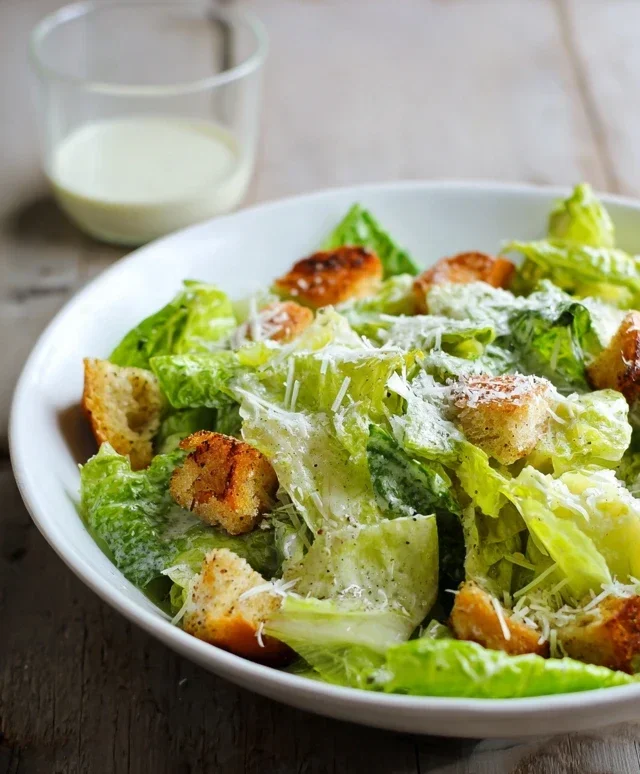
Once your homemade Caesar salad dressing is ready, transfer it to an airtight container. It will keep in the refrigerator for about 3 to 5 days. The flavors will actually meld and deepen over time, making it even more delicious the next day. Before serving, give it a good whisk, as it may separate slightly in the fridge. This dressing is, of course, fantastic on a classic Caesar salad with crisp romaine lettuce, toasted croutons, and extra shaved Parmesan. But don’t stop there! It’s also a wonderful marinade for grilled chicken or fish, a flavorful dip for raw vegetables like carrots, celery, and bell peppers, or a zesty spread for sandwiches and wraps. I’ve even been known to toss it with roasted potatoes for an extra flavor boost. Enjoy the fruits of your labor – a truly superior salad dressing that’s better than anything you can buy.
Conclusion:
And there you have it – a truly sensational homemade Caesar salad dressing that will elevate your salads to a whole new level! This recipe is a winner because it’s incredibly simple to whip up, bursting with fresh, vibrant flavors, and a far cry from any bottled alternative. The creamy emulsification achieved with fresh ingredients, the salty tang of Parmesan, and that essential hint of garlic create a dressing that’s both comforting and sophisticated. Serve it generously over crisp romaine lettuce, of course, but don’t be afraid to explore! It’s also fantastic as a dip for crudités, a marinade for chicken or fish, or even drizzled over roasted vegetables. For a lighter take, try using Greek yogurt instead of mayonnaise, or add a pinch of Dijon mustard for an extra zing. I truly encourage you to give this recipe a try; the satisfaction of creating such a delicious condiment from scratch is immense, and the taste is simply unparalleled.
Frequently Asked Questions:
Q: How long will this homemade Caesar salad dressing last in the refrigerator?
A: Stored in an airtight container in the refrigerator, this dressing should stay fresh for about 5-7 days. Ensure it’s always well-chilled when not in use.
Q: Can I make this dressing vegan?
A: Absolutely! To make a vegan Caesar salad dressing, omit the anchovy paste and Parmesan cheese. Instead, use a tablespoon of capers (and their brine for saltiness), a nutritional yeast for a cheesy flavor, and consider using silken tofu or avocado for creaminess. You can also use vegan Worcestershire sauce.
Homemade Caesar Salad Dressing
A classic creamy and zesty Caesar salad dressing made from scratch.
Ingredients
-
2 large egg yolks
-
2 cloves garlic, minced
-
1 tablespoon Dijon mustard
-
1/4 cup freshly squeezed lemon juice
-
1 teaspoon Worcestershire sauce
-
1/2 cup extra virgin extract olive oil
-
1/4 cup grated Parmesan cheese
-
Salt to taste
-
Freshly ground black pepper to taste
Instructions
-
Step 1
In a medium bowl, whisk together the egg yolks, minced garlic, and Dijon mustard. -
Step 2
Gradually whisk in the lemon juice and Worcestershire sauce. -
Step 3
Slowly drizzle in the extra virgin extract olive oil while whisking continuously to emulsify the dressing. -
Step 4
Stir in the grated Parmesan cheese. -
Step 5
Season with salt and freshly ground black pepper to taste. -
Step 6
For a thinner dressing, add a tablespoon or two of water and whisk until desired consistency is reached.
Important Information
Nutrition Facts (Per Serving)
It is important to consider this information as approximate and not to use it as definitive health advice.
Allergy Information
Please check ingredients for potential allergens and consult a health professional if in doubt.