Easy Dango Recipe – Sweet Japanese Dumplings
Easy Dango Recipe – have you ever dreamt of whisking yourself away to the charming streets of Japan with just a bite? Well, get ready to make that dream a delicious reality! Dango, those delightful chewy rice dumplings, are more than just a sweet treat; they’re a beloved symbol of Japanese street food culture and often enjoyed during festive occasions. What makes this easy dango recipe so special is its incredible simplicity. You don’t need fancy equipment or a long list of obscure ingredients to achieve that perfect, bouncy texture and satisfying chew. They are wonderfully versatile, perfect for a quick dessert, a delightful afternoon snack, or even a fun activity to make with friends and family. The delicate sweetness and pleasing texture are simply irresistible, and this straightforward approach means you can experience that authentic taste in your own kitchen with minimal fuss. Let’s dive into how we can create this magic together!
Easy Dango Recipe
Dango is a delightful Japanese confection made from rice flour, often enjoyed on skewers. Its chewy texture and subtly sweet flavor make it a perfect treat for any occasion. While it might seem intimidating to make at home, this recipe breaks it down into simple steps, allowing you to whip up delicious dango with minimal fuss. We’ll even explore how to create beautiful, colorful variations using natural and simple coloring agents. Get ready to impress yourself and your loved ones with this easy-to-follow guide to making authentic-tasting dango!
Ingredients:
Creating Your Dango Dough
The magic of dango lies in its unique texture, which comes from the careful combination of two types of rice flour. Joshinko, the non-glutinous rice flour, provides a slightly firmer bite, while Shiratamako, the glutinous sweet rice flour, gives it that signature chegrape juicess. Together, they create a perfectly balanced dough.
Start by combining the Joshinko and Shiratamako flours in a large mixing bowl. If you’re opting for sweeter dango, whisk in the powdered sugar at this stage as well. Ensure everything is well combined before you introduce the liquid.
Now, gradually add the hot water to the flour mixture. It’s important to use hot water, as this helps to gelatinize the rice flour, leading to a smoother and more pliable dough. Mix everything with a spoon or spatula at first, as the mixture will be quite hot. As it cools down slightly, you can switch to using your hands to knead the dough.
Knead the dough until it forms a smooth, cohesive ball. It should be soft and springy, similar to playdough. If the dough feels too dry and crum extractbly, add a tablespoon of warm water at a time until it reaches the desired consistency. Conversely, if it feels too sticky, you can dust your hands and the work surface with a little more Joshinko flour. The key here is patience and gentle kneading. Don’t overwork the dough, as this can make the dango tough. Aim for a dough that is pliable and easy to shape.
Dividing and Coloring Your Dough
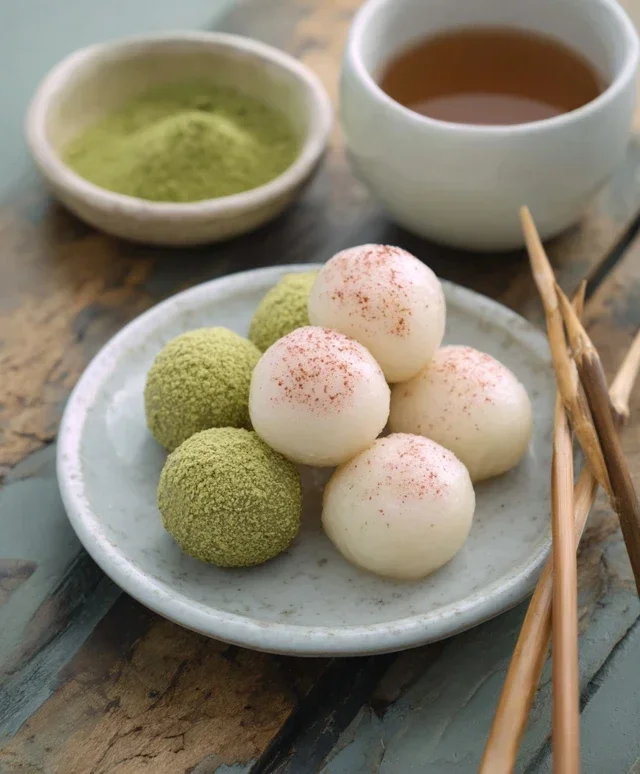
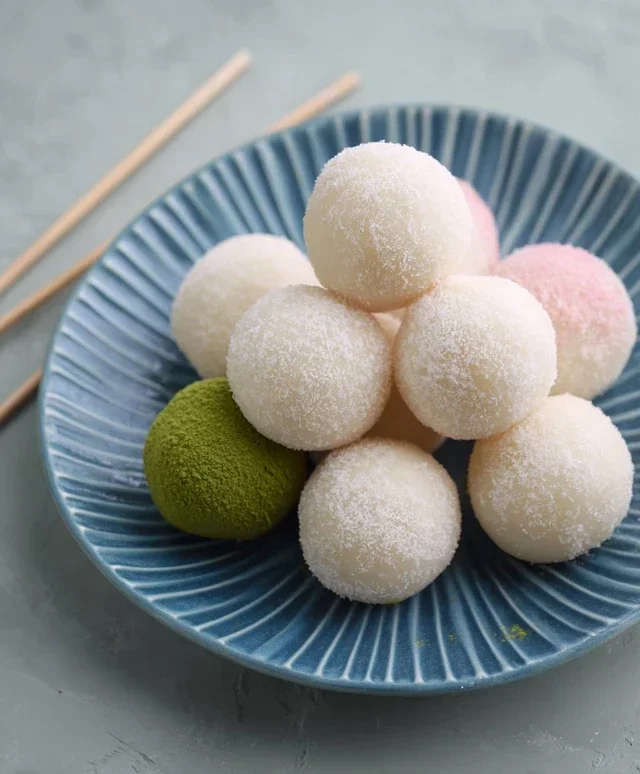
This is where we get creative! To make our dango visually appealing, we’ll divide the dough into portions and color them. This recipe will guide you through making classic white dango, vibrant green dango, and pretty pink dango.
Take about two-thirds of your main dough and set it aside. This will be your plain white dango dough.
For the green dango, in a small bowl, mix the matcha powder with 1 teaspoon of water to create a smooth paste. Add a portion of the reserved dough to this matcha paste and knead thoroughly until the color is evenly distributed. You want a uniform green hue throughout the dough. If the dough becomes a little sticky from the added water, gently knead in a tiny bit more Joshinko flour.
For the pink dango, take another portion of the reserved dough. Add just one drop of pink food coloring to this portion and knead until the color is evenly distributed. Be very sparing with the food coloring; a little goes a long way. You’re aiming for a soft, pastel pink. Again, if the dough feels a bit sticky, a touch of Joshinko flour will help.
Shaping Your Dango Balls
Once your dough is divided and colored, it’s time to shape them into those iconic dango balls. Take a small piece of dough, about the size of a marble or a small cherry. Roll it between your palms until you have a smooth, round ball. Try to make them all roughly the same size so they cook evenly.
If you’re making dango on skewers, you can thread 3-4 of these balls onto a bamboo skewer. Gently press them together to secure them on the skewer. Be careful not to make them too dense on the skewer, as this can hinder even cooking. Leave a little space between each ball.
Cooking Your Dango
There are a couple of ways to cook your dango, but boiling is the most traditional and straightforward method for this recipe.
Bring a large pot of water to a rolling boil. Carefully drop your shaped dango balls into the boiling water. Don’t overcrowd the pot; cook them in batches if necessary.
As the dango cook, they will initially sink to the bottom of the pot. This is perfectly normal! As they cook and the starches gelatinize, they will begin extract to float to the surface. Once they float, let them simmer in the boiling water for another 1-2 minutes. This ensures that they are cooked through and have that lovely chewy texture.
Using a slotted spoon, carefully remove the cooked dango from the boiling water. You can immediately proceed to serving them, or for an extra smooth finish, you can briefly shock them in ice-cold water. This stops the cooking process and can enhance their chewy texture. Drain them well before serving.
Serving Your Delicious Dango
Your homemade dango is now ready to be enjoyed! Dango is incredibly versatile and can be served in various ways.
Traditionally, dango is served with a sweet sauce. A popular choice is anko (sweet red bean paste), which can be generously spread over the dango balls. Another classic is mitarashi dango, which features a sweet soy glaze. Simply simmer soy sauce, sugar, and a bit of cornstarch until thickened, then brush it over your warm dango.
If you prefer something simpler, a drizzle of honey or a dusting of kinako (roasted soybean flour) also makes for a delicious topping. You can also enjoy plain dango as a delightful, chewy treat on its own. The possibilities are endless! Making dango at home is a rewarding experience, and this easy recipe ensures you can achieve delicious results every time. Enjoy your homemade Japanese delicacy!
Conclusion:
And there you have it! My easy dango recipe is perfect for anyone looking for a simple yet delicious Japanese treat. Its beauty lies in its simplicity – just a few basic ingredients and a straightforward process yield wonderfully chewy and satisfying dumplings. This recipe is fantastic because it’s incredibly forgiving, making it ideal for begin extractners. The subtle, slightly sweet flavor of the dango itself is the perfect canvas for a variety of toppings, offering endless customization. I love serving them skewered and lightly grilled, drizzled with a sweet soy glaze or coated in kinako (roasted soybean powder) for a nutty finish. For a dessert, a dollop of sweet red bean paste (anko) or fresh fruit is always a winner. Don’t be afraid to experiment with different coatings or even add a touch of matcha powder to the dough for a vibrant green hue and a hint of earthy flavor. I truly encourage you to give this easy dango recipe a try – you won’t be disappointed with the delightful results!
Frequently Asked Questions:
What is the best way to store leftover dango?
For the best texture, it’s ideal to eat dango fresh. However, if you have leftovers, store them in an airtight container at room temperature for up to a day. Refrigerating them can make them quite hard, so if you must refrigerate, gently reheat them in a microwave or a pan with a little water before serving to soften them up.
Can I make dango ahead of time?
Yes, you can! You can prepare the dango dough and roll them into balls ahead of time. Store the uncooked balls in the refrigerator in an airtight container for up to 24 hours. When you’re ready to cook them, boil them directly from the fridge.
What kind of flour should I use for this easy dango recipe?
This recipe calls for glutinous rice flour, also known as sweet rice flour or mochiko. This is what gives dango its signature chewy texture. Regular rice flour will not yield the same results.
Easy Dango Recipe
A simple and delicious recipe for making homemade Dango, a traditional Japanese sweet rice dumpling, with variations for color and flavor.
Ingredients
-
{‘@type’: ‘Ingredient’, ‘name’: ‘Joshinko non-glutinous rice flour’, ‘amount’: {‘value’: 1.33, ‘unitCode’: ‘cup’}, ‘weight’: {‘value’: 150, ‘unitCode’: ‘g’}}
-
{‘@type’: ‘Ingredient’, ‘name’: ‘Shiratamako glutinous sweet rice flour’, ‘amount’: {‘value’: 1.5, ‘unitCode’: ‘cup’}, ‘weight’: {‘value’: 200, ‘unitCode’: ‘g’}}
-
{‘@type’: ‘Ingredient’, ‘name’: ‘Powdered sugar (optional)’, ‘description’: ‘to make it sweeter’, ‘amount’: {‘value’: 0.75, ‘unitCode’: ‘cup’}, ‘weight’: {‘value’: 75, ‘unitCode’: ‘g’}}
-
{‘@type’: ‘Ingredient’, ‘name’: ‘Hot water’, ‘amount’: {‘value’: 1.33, ‘unitCode’: ‘cup’}}
-
{‘@type’: ‘Ingredient’, ‘name’: ‘Matcha powder’, ‘amount’: {‘value’: 1, ‘unitCode’: ‘teaspoon’}}
-
{‘@type’: ‘Ingredient’, ‘name’: ‘Water for matcha’, ‘amount’: {‘value’: 1, ‘unitCode’: ‘teaspoon’}}
-
{‘@type’: ‘Ingredient’, ‘name’: ‘Pink food coloring’, ‘amount’: {‘value’: 1, ‘unitCode’: ‘drop’}}
Instructions
-
Step 1
In a large bowl, combine Joshinko, Shiratamako, and powdered sugar (if using). -
Step 2
Gradually add hot water to the dry ingredients, mixing until a smooth dough forms. Knead for a few minutes until elastic. If the dough is too sticky, add a little more Joshinko; if too dry, add a tiny bit of water. -
Step 3
Divide the dough into portions. For colored dango, mix 1 teaspoon of water with 1 teaspoon of matcha powder to form a paste, or add 1 drop of pink food coloring to a portion of the dough and knead until evenly colored. Leave the remaining dough plain. -
Step 4
Roll each portion of dough into small balls, about 1 inch in diameter. You can also shape them into teardrops or other desired forms. -
Step 5
Bring a pot of water to a boil. Gently drop the dango balls into the boiling water. They are cooked when they float to the surface. -
Step 6
Once they float, let them cook for another 1-2 minutes. Then, carefully remove the cooked dango with a slotted spoon and rinse them briefly under cold water to stop the cooking process and prevent sticking. -
Step 7
Serve the dango warm or at room temperature. They are often enjoyed with sweet sauces like anko (red bean paste), mitarashi sauce (sweet soy glaze), or Kinako (roasted soybean flour).
Important Information
Nutrition Facts (Per Serving)
It is important to consider this information as approximate and not to use it as definitive health advice.
Allergy Information
Please check ingredients for potential allergens and consult a health professional if in doubt.