Spicy Kani Sushi Roll- Easy Crab Recipe
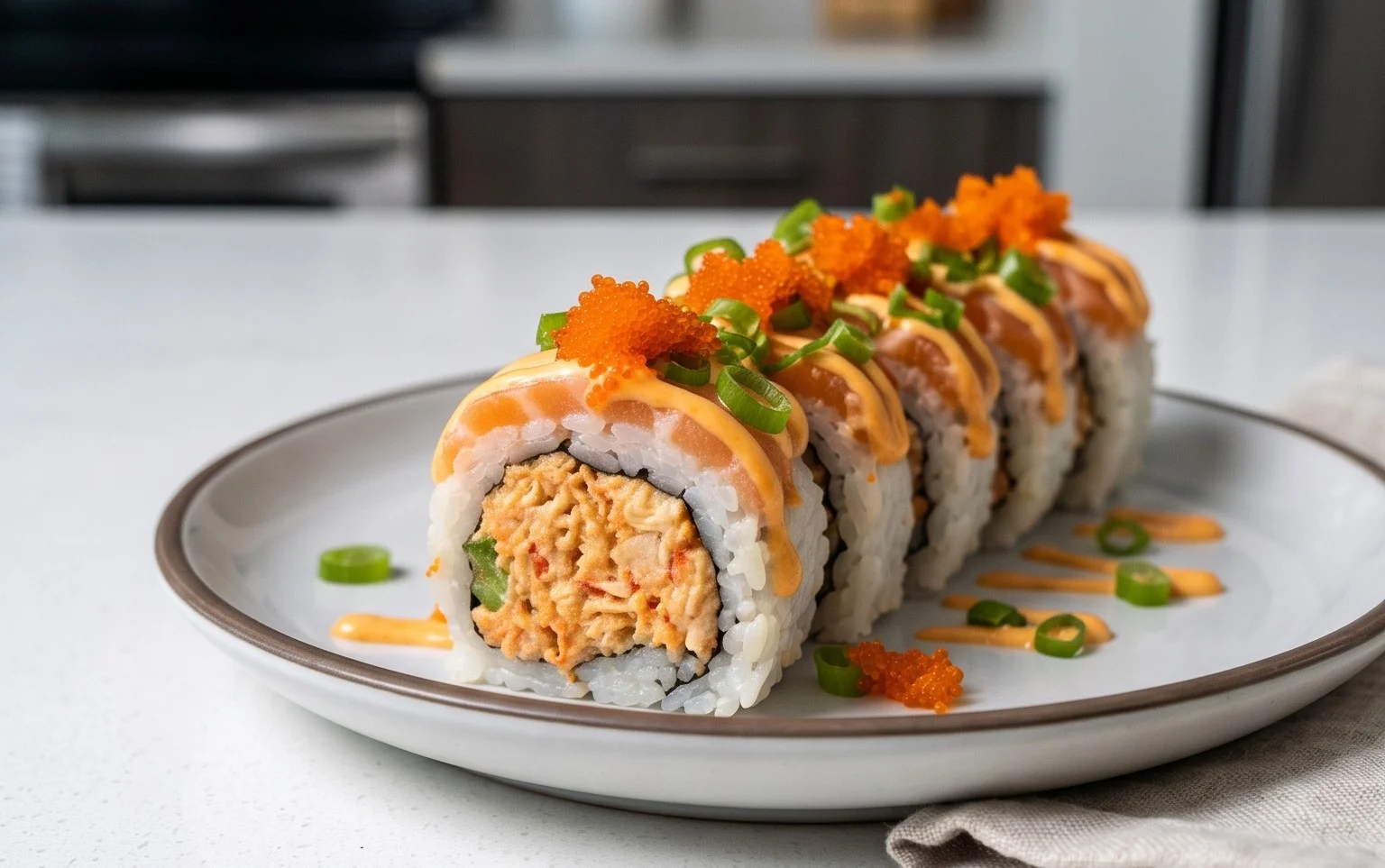
Kani sushi, often referred to as a spicy crab roll, is a truly irresistible delight for sushi lovers everywhere. There’s something inherently exciting about that perfect balance of creamy, savory crab and a hint of fiery heat that just keeps you coming back for more. It’s no wonder why this particular roll has become a staple on so many sushi menus and a go-to for those craving a flavorful kick. What sets this kani sushi apart is its approachable yet sophisticated flavor profile. The imitation crab, often mixed with a spicy mayonnaise, creates a rich and satisfying filling that’s perfectly complemented by the sticky sushi rice and crisp nori. Whether you’re a seasoned sushi connoisseur or just embarking on your sushi journey, mastering the art of making your own kani sushi at home is incredibly rewarding and surprisingly simple. Prepare to impress yourself and your guests with this vibrant and delicious classic!
Ingredients:
Kani Sushi (Spicy Crab Roll)
There’s something incredibly satisfying about making your own sushi rolls at home. The process itself can be quite meditative, and the end result is always a delicious and impressive treat. Today, we’re diving into the creation of Kani Sushi, also known as the Spicy Crab Roll. This popular choice is beloved for its creamy, slightly spicy filling encased in perfectly seasoned sushi rice and wrapped in crisp nori. It’s a fantastic option for sushi begin extractners and seasoned pros alike, offering a burst of flavor that’s both familiar and exciting.
The “kani” in Kani Sushi refers to imitation crab meat, which is widely used in sushi rolls for its convenient texture and subtle oceanic flavor. When combined with creamy Kewpie mayonnaise and a kick of sriracha, it transforms into a delightful spicy crab salad. We’ll be balancing this richness with the refreshing crunch of fresh avocado and cucumber, all nestled within a perfectly cooked bed of sushi rice. The beauty of this recipe is its adaptability; feel free to adjust the sriracha level to your spice preference.
Let’s get started on crafting these flavorful rolls. The key to excellent sushi lies in preparing each component with care, from the rice to the filling.
Preparing the Sushi Rice
The foundation of any great sushi roll is perfectly cooked and seasoned sushi rice. This step is crucial and sets the stage for the entire dish.
1. Rinse the Rice: Start by thoroughly rinsing your 1 1/2 cups of short grain sushi rice. Place the rice in a fine-mesh sieve and run cold water over it, swirling the rice with your hand, until the water runs clear. This removes excess starch, preventing the rice from becoming gummy. Drain the rice well and let it sit for about 10-15 minutes to ensure it’s dry.
2. Cook the Rice: Combine the rinsed and drained rice with 2 cups of water in a medium saucepan. Bring the water to a boil over medium-high heat. Once boiling, reduce the heat to low, cover the pot tightly, and let it simmer for 15-20 minutes, or until all the water is absorbed. Do not lift the lid during this cooking time. Once cooked, remove the pot from the heat and let it steam, covered, for another 10 minutes. This steaming period is vital for achieving perfectly fluffy rice.
3. Prepare the Sushi Vinegar: While the rice is steaming, prepare the sushi vinegar mixture. In a small bowl, whisk together 3 tablespoons of unseasoned rice vinegar, 1 tablespoon of granulated sugar, and 1 teaspoon of salt. Stir until the sugar and salt are completely dissolved. You can gently warm this mixture in a small saucepan over low heat if needed to help them dissolve, but don’t let it boil.
4. Season the Rice: Transfer the hot, cooked rice to a large, shallow non-metallic bowl (a wooden or plastic bowl is ideal, as metal can react with the vinegar). Gently pour the prepared sushi vinegar mixture over the hot rice. Using a rice paddle or a wooden spoon, gently “cut” and fold the vinegar into the rice. Avoid mashing or stirring vigorously, as this can break the rice grains. The goal is to evenly distribute the seasoning while fanning the rice with a piece of cardboard or a fan. This helps cool the rice quickly and gives it a glossy sheen. Continue fanning and folding until the rice is no longer steaming and is at room temperature. It should be sticky enough to hold together but still have individual grains.
Making the Spicy Crab Filling
This is where the “spicy” in Kani Sushi truly shines. It’s a quick and easy filling that packs a punch.
1. Combine the Filling Ingredients: In a medium bowl, combine 9 sticks of thinly sliced imitation crab meat. Gently shred or break apart the crab sticks into smaller pieces. Add 1/4 cup of Kewpie mayonnaise, 1 tablespoon of sriracha, 1/2 teaspoon of lime juice, and 1/8 teaspoon of sesame oil.
2. Mix Thoroughly: Gently fold all the ingredients together until the crab meat is evenly coated with the spicy mayonnaise mixture. Taste and adjust the sriracha if you prefer it spicier or milder. The lime juice adds a touch of brightness that cuts through the richness of the mayonnaise. The sesame oil adds a subtle, nutty aroma that elevates the flavor.
Assembling and Rolling the Sushi
Now comes the fun part – rolling! It might seem intimidating at first, but with a little practice, you’ll be a sushi-rolling pro.
1. Set Up Your Rolling Station: You’ll need a bamboo sushi mat (makisu). It’s helpful to cover your bamboo mat with plastic wrap to prevent the nori and rice from sticking. Have a small bowl of water mixed with a little rice vinegar nearby (this is called “tezu” or hand-dipping water) to keep your hands from sticking to the rice.
2. Place the Nori: Lay one half-sheet of nori, shiny side down, on the plastic-wrapped bamboo mat. The longer side of the nori should be parallel to the bamboo slats.
3. Spread the Rice: Dip your hands in the tezu to prevent sticking. Take about 3/4 cup of the seasoned sushi rice and spread it evenly over the nori sheet, leaving about a 1/2-inch border along the top edge. The rice layer should be thin and uniform. You can sprinkle some toasted sesame seeds (black and white) over the rice at this stage for added texture and visual appeal.
4. Add the Fillings: Arrange your fillings horizontally across the bottom third of the rice-covered nori. Place a strip of the prepared spicy crab filling. Next, lay some thin slices of avocado and a few julienned Persian cucumbers alongside the crab. Be careful not to overfill, as this will make rolling difficult.
5. The Roll: Lift the edge of the bamboo mat closest to you, using your thumbs, and gently roll it over the filling, tucking it in with your fingers. Continue rolling, applying gentle but firm pressure to create a tight cylinder. As you roll, use the mat to shape the sushi. Once you’ve reached the end, seal the edge of the nori by wetting it slightly with water.
6. Slice and Serve: Once rolled, gently unwrap the sushi roll. Using a very sharp knife that has been slightly dampened with water, slice the roll into 6-8 pieces. Wipe the knife clean between cuts for the cleanest slices. Serve your delicious Kani Sushi immediately with soy sauce for dipping.
Enjoy the fruits of your labor – a vibrant, flavorful, and homemade spicy crab roll that’s sure to impress!
Conclusion:
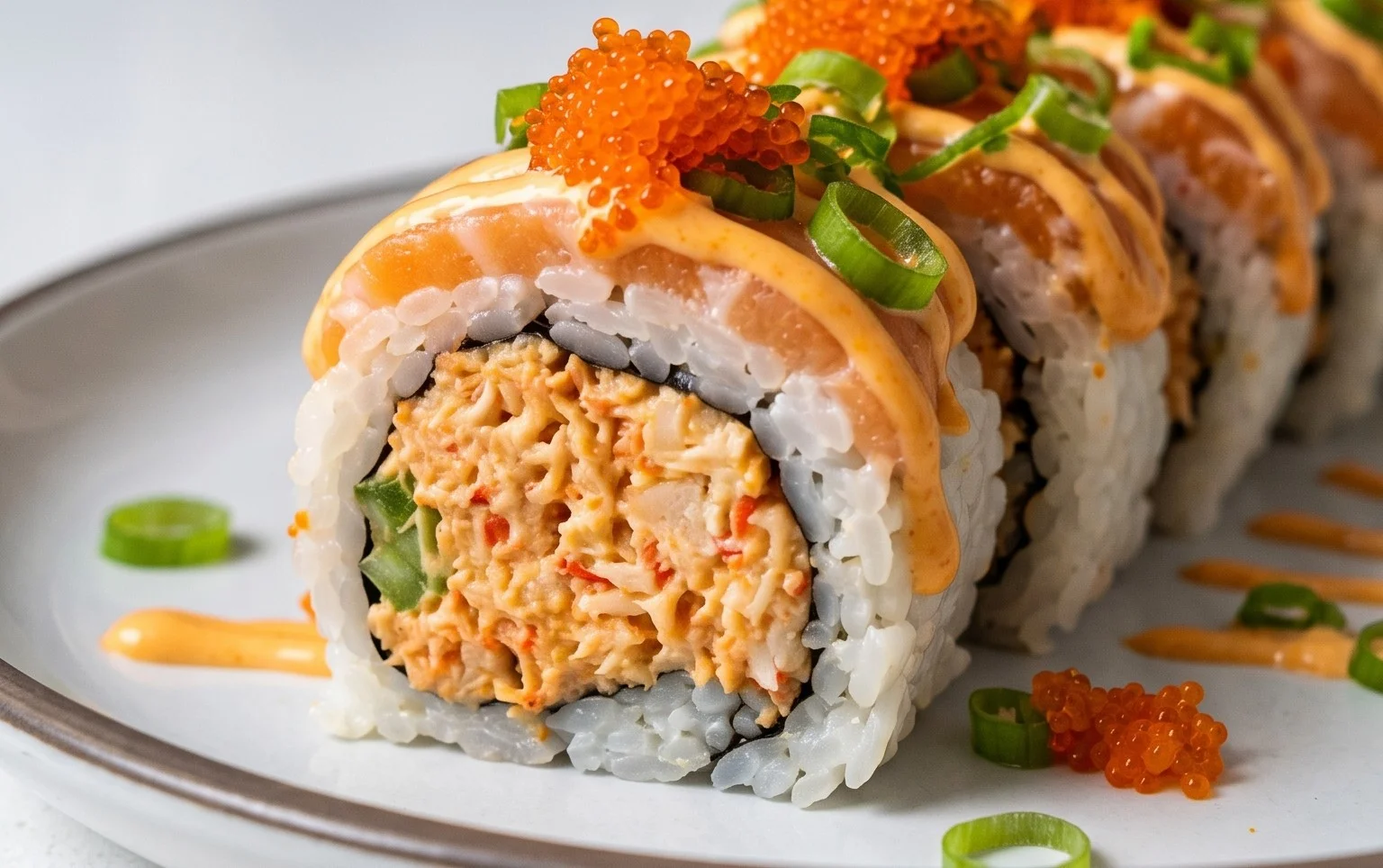
And there you have it – your guide to crafting delicious Kani Sushi, a spicy crab roll that’s sure to impress! This recipe is fantastic because it offers that irresistible combination of creamy, spicy, and slightly sweet flavors, all wrapped up in a beautiful, bite-sized package. It’s surprisingly accessible for home cooks, allowing you to recreate that authentic sushi bar experience without leaving your kitchen. Kani sushi is incredibly versatile; serve it as an appetizer for your next gathering, enjoy it as a light and satisfying lunch, or make it the star of a homemade sushi night. Don’t be afraid to experiment with variations! You can add a sprinkle of toasted sesame seeds for extra crunch, a thin slice of avocado for added creaminess, or even a touch of sriracha mayo for an extra kick of heat. I truly encourage you to give this Kani Sushi recipe a try. It’s a rewarding culinary adventure that delivers big on flavor and satisfaction.
Frequently Asked Questions:
What is ‘kani’ in Kani Sushi?
In Kani Sushi, ‘kani’ refers to imitation crab meat, which is a popular and readily available seafood product made from processed white fish. It’s often seasoned to mimic the flavor and texture of real crab and is a common ingredient in many sushi rolls.
Can I use real crab meat instead of imitation crab?
Absolutely! If you have access to fresh or cooked real crab meat, feel free to substitute it for the imitation crab. Just ensure it’s well-drained before mixing with the spicy mayonnaise to prevent the roll from becoming too wet.
What are some good side dishes to serve with Kani Sushi?
Kani Sushi pairs wonderfully with a variety of traditional Japanese accompaniments. Consider serving it with pickled gin extractger (gari) to cleanse your palate between bites, a dollop of wasabi for an extra spicy kick, and soy sauce for dipping. Edamame, miso soup, or a simple cucumber salad also make excellent side dishes.
Kani Sushi (Spicy Crab Roll)
A popular and easy-to-make spicy crab roll featuring imitation crab, creamy mayonnaise, and fresh vegetables wrapped in nori and sushi rice.
Ingredients
-
1 1/2 cups short grain sushi rice (uncooked)
-
2 cups water
-
3 tablespoons unseasoned rice vinegar
-
1 tablespoon granulated sugar
-
1 teaspoon salt
-
9 sticks imitation crab meat (thinly sliced)
-
1/4 cup Kewpie mayonnaise
-
1 tablespoon sriracha
-
1/2 teaspoon lime juice
-
1/8 teaspoon sesame oil
-
1 avocado (thinly sliced)
-
2 persian cucumbers (julienned)
-
3 Nori Sheets (cut in half)
-
toasted sesame seeds (black and white)
-
Soy sauce
Instructions
-
Step 1
Rinse the sushi rice under cold water until the water runs clear. Cook the rice with water according to package directions. -
Step 2
While the rice is cooking, gently heat the rice vinegar, sugar, and salt in a small saucepan until the sugar and salt dissolve. Do not boil. Let it cool. -
Step 3
In a small bowl, combine the imitation crab meat, Kewpie mayonnaise, sriracha, lime juice, and sesame oil. Mix well. -
Step 4
Once the rice is cooked, transfer it to a large non-metallic bowl. Gradually pour the cooled vinegar mixture over the rice, gently folding it in with a rice paddle or spatula. Allow the rice to cool to room temperature. -
Step 5
Lay a half sheet of nori, shiny side down, on a bamboo sushi mat. Spread a thin, even layer of sushi rice over the nori, leaving about an inch at the top. Sprinkle with sesame seeds. -
Step 6
Arrange a portion of the spicy crab mixture, avocado slices, and julienned cucumber horizontally across the lower third of the rice. -
Step 7
Using the bamboo mat, tightly roll the sushi from the bottom up, pressing gently to form a compact cylinder. Moisten the top edge of the nori to seal the roll. -
Step 8
Slice the roll into 6-8 pieces using a sharp, wet knife. Repeat with the remaining ingredients. Serve immediately with soy sauce.
Important Information
Nutrition Facts (Per Serving)
It is important to consider this information as approximate and not to use it as definitive health advice.
Allergy Information
Please check ingredients for potential allergens and consult a health professional if in doubt.