Easy Chimichurri Sauce – Bright Herb Flavor
Chimichurri sauce isn’t just a condiment; it’s a vibrant explosion of flavor that has captured the hearts (and taste buds!) of food lovers everywhere. Imagin extracte a bright, herbaceous, and zesty sauce that instantly elevates grilled meats, roasted vegetables, and even simple bread. That’s the magic of chimichurri. People adore this Argentinian staple because it’s incredibly fresh and incredibly versatile. It’s that perfect balance of tang from vinegar, warmth from garlic, and a grassy, peppery punch from parsley and oregano that makes it so irresistible. What truly sets chimichurri sauce apart is its simplicity and the way it enhances, rather than overpowers, the natural flavors of whatever it graces. It’s a celebration in a bowl, bringin extractg a taste of South America right to your kitchen.
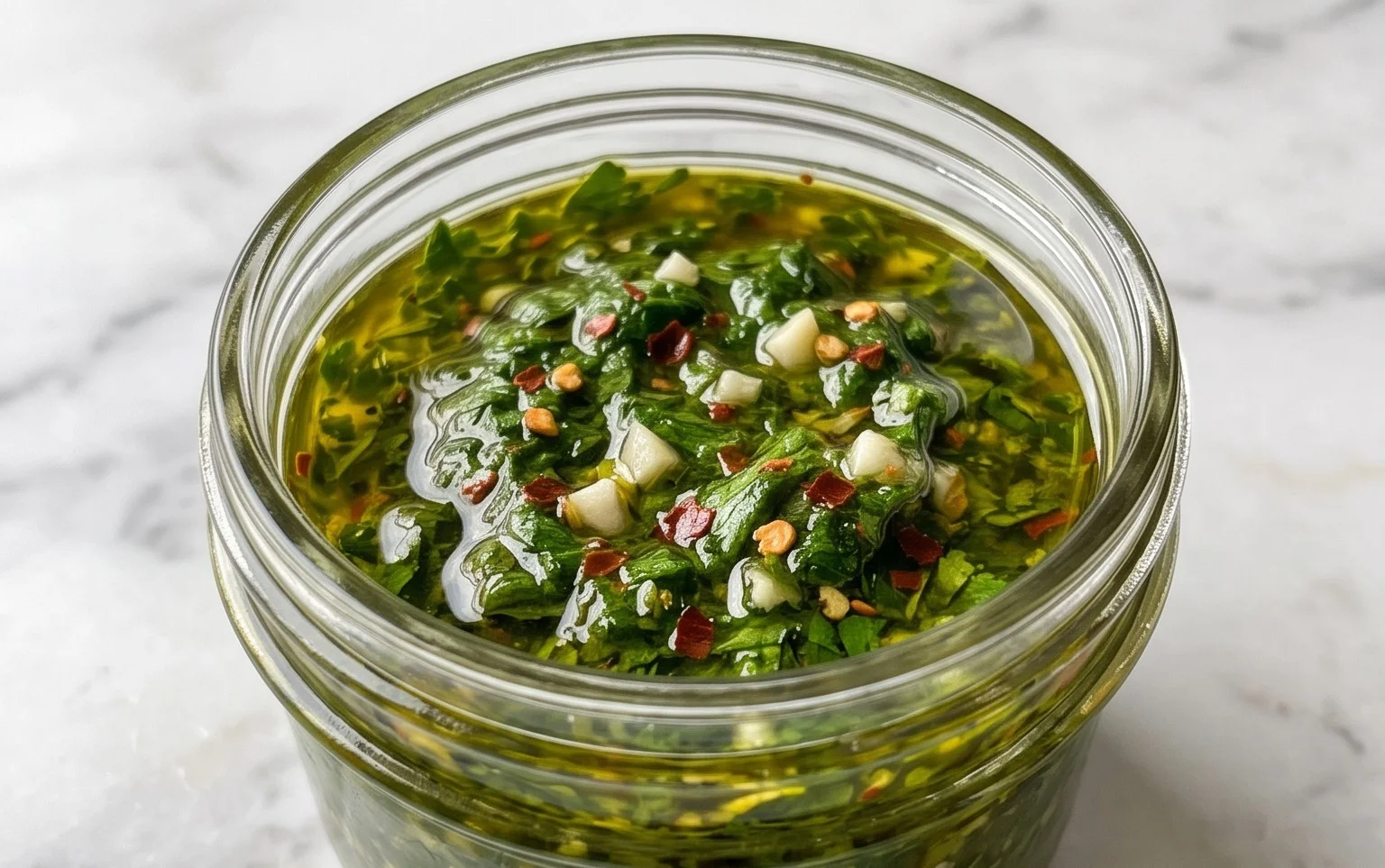
Chimichurri Sauce
Ah, chimichurri! If you haven’t experienced the vibrant, herbaceous, and utterly delicious magic of this Argentinean condiment, you’re in for a treat. It’s the perfect accompaniment to grilled meats, roasted vegetables, and even a fantastic dip for crusty bread. Forget those bland, store-bought versions; making fresh chimichurri is surprisingly simple and the flavor payoff is immense. This sauce is a game-changer, elevating everyday meals into something truly special. The bright, zesty notes are incredibly refreshing, and the slight heat from the pepper flakes, if you choose to include them, adds a wonderful complexity. I love that it’s essentially a fresh herb salad in sauce form, packed with so much flavor without being heavy or overly rich.
The beauty of chimichurri lies in its simplicity and the quality of its ingredients. It’s all about fresh herbs, garlic, a touch of acidity, and good olive oil. The balance is key, and once you’ve mastered this basic recipe, you can play around with the ratios to suit your personal preference. Some people like it more garlicky, others prefer a tangier sauce, and the heat level can always be adjusted. I find this recipe to be a fantastic starting point, offering a harmonious blend of all the essential elements. It’s the kind of sauce that makes you want to lick the spoon clean, and that’s a good sign of a recipe done right!
Ingredients:
Notes on Ingredients:
* For the parsley, make sure you’re using the flat-leaf variety (Italian parsley) as it has a more robust flavor than curly parsley. Pack it down firmly into your measuring cup to get an accurate measurement of the herb volume.
** Use a good quality extra virgin extract olive oil. The flavor of the olive oil will be prominent in the sauce, so opt for one you enjoy the taste of. A milder olive oil will let the herbs shine, while a more robust one will add another layer of complexity.
Instructions:
Prepare the Herbs and Aromatics:
The first step to achieving that perfect chimichurri texture and flavor is to finely mince all of your fresh ingredients. Start by washing and thoroughly drying your parsley and cilantro. You want them to be as dry as possible to prevent the sauce from becoming watery. Remove the tough stems from the parsley and cilantro, keeping only the leafy parts. Finely chop the fresh oregano leaves if you are using fresh. Next, peel and finely mince the garlic cloves. The smaller you mince the garlic, the more evenly its flavor will distribute throughout the sauce. If you’re using red onion, finely dice a quarter of a small one. If you prefer a milder onion flavor, a shallot is an excellent substitute; mince it just as finely as you would the garlic. The goal here is to have all of these ingredients broken down into very small, uniform pieces. I often find it easiest to do this on a clean cutting board, working through each ingredient systematically.
Combine the Dry Ingredients and Vinegar Mixture:
In a medium-sized bowl, combine your finely minced parsley, cilantro, and oregano. Add the minced garlic, finely diced red onion or shallot, salt, and red pepper flakes (if using). Stir these ingredients together thoroughly. Now, add the red grape juice vinegar and fresh lemon juice to the bowl. The vinegar and lemon juice are crucial for balancing the richness of the olive oil and the earthiness of the herbs. Red grape juice vinegar offers a lovely subtle fruitiness that I find complements the herbs beautifully, but white grape juice vinegar or even apple cider vinegar can be used in a pinch, though they will impart a slightly different flavor profile. Stir everything well until the herbs and aromatics are nicely coated with the acidic liquids. Let this mixture sit for about 5 to 10 minutes. This short resting period allows the flavors to begin extract melding and the herbs to slightly soften, which is essential for a well-integrated sauce.
Incorporate the Olive Oil:
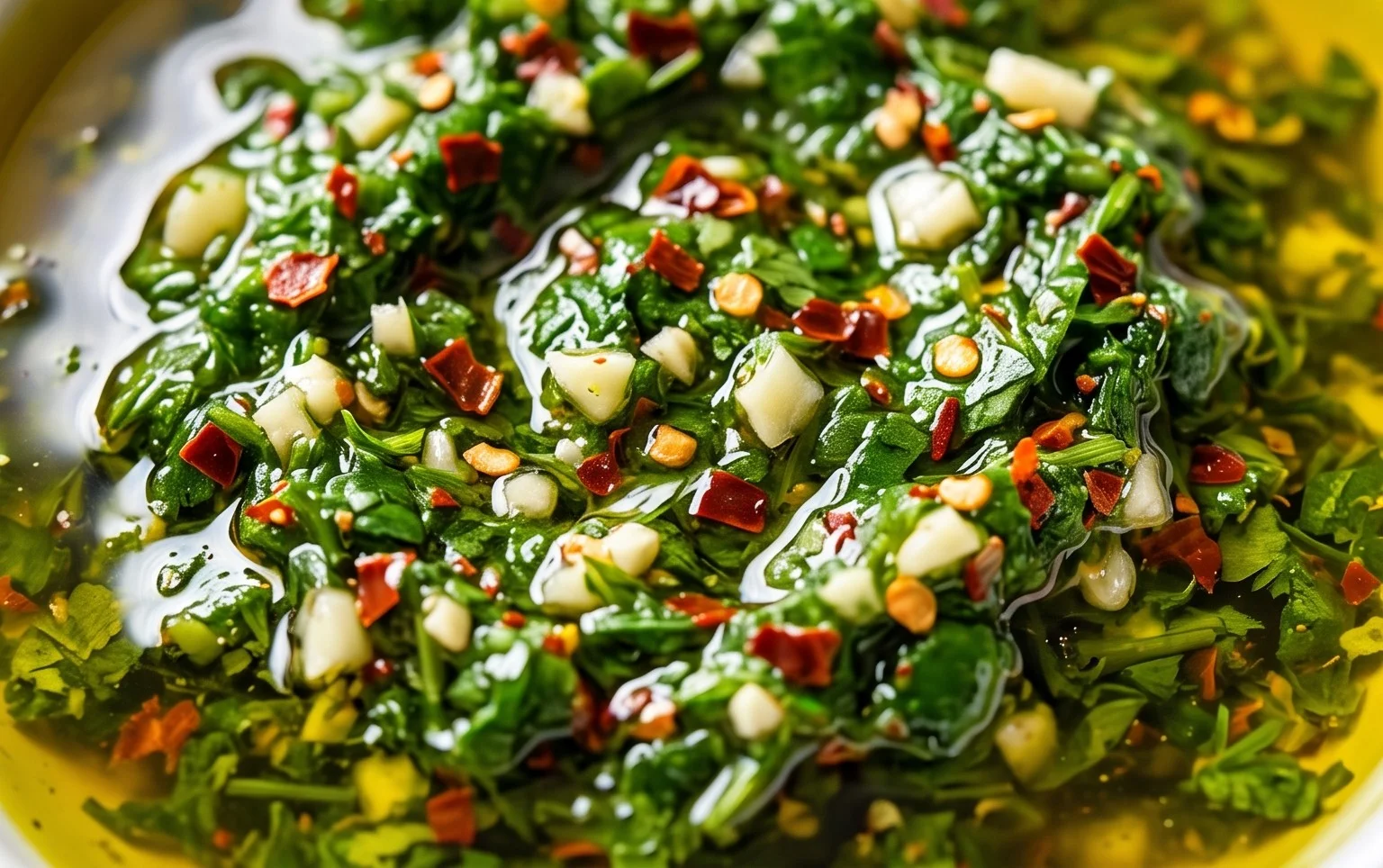
This is where your chimichurri really starts to come together as a sauce. Slowly drizzle in the olive oil while stirring continuously. You want to incorporate the oil gradually to create a beautiful emulsion. The exact consistency of your chimichurri is really up to you. If you prefer a looser sauce, you can add a little more olive oil. If you like it thicker and more like a paste, use slightly less. As you pour in the olive oil, you’ll notice the mixture transform from a chunky herb salad into a vibrant, glossy sauce. I like to stir vigorously at this stage to ensure everything is well combined and the oil is fully incorporated. The color should be a brilliant green, a testament to the freshness of the herbs.
Taste and Adjust Seasoning:
This is arguably the most important step in achieving chimichurri perfection. Once you’ve added all the olive oil and given everything a good stir, it’s time to taste. Use a clean spoon to take a small sample. Does it need more salt? Is it tangy enough? Do you want a little more heat? This is your chance to customize the sauce to your exact liking. I always start with the recommended amount of salt, but I almost always end up adding a little more. The same goes for the red pepper flakes – if you love a bit of a kick, don’t be shy! If you find it too acidic, you can add a tiny pinch of sugar to balance it out, though this is rarely necessary with the red grape juice vinegar. If it feels a bit too thick, a tablespoon or two of water can help loosen it up. Don’t be afraid to experiment until it’s just right for you. This tasting and adjusting process is what separates a good chimichurri from a truly exceptional one.
Rest and Serve:
Once you’re happy with the flavor and consistency, cover the bowl and let the chimichurri rest. Ideally, let it sit at room temperature for at least 30 minutes, or even better, refrigerate it for an hour or two. This resting period is crucial because it allows all those wonderful flavors to meld and deepen. The herbs will continue to infuse into the oil and vinegar mixture, creating a more harmonious and complex taste. You’ll notice the aroma becomes even more non-intoxicating after it has had a chance to rest. When you’re ready to serve, give it another quick stir. Chimichurri is incredibly versatile. Spoon it generously over grilled steak, chicken, or fish. It’s also fantastic with roasted vegetables like potatoes or asparagus, or even stirred into cooked grains like quinoa. It’s also a revelation as a marinade or a dipping sauce for empanadas. Store any leftover chimichurri in an airtight container in the refrigerator for up to a week. The flavors will continue to develop over time, so don’t be surprised if it tastes even better the next day!
Conclusion:
And there you have it – your guide to crafting the most vibrant and flavorful chimichurri sauce! This recipe is a true game-changer in my kitchen because it’s incredibly simple to make and elevates almost any dish. The fresh, herbaceous punch of parsley and cilantro, balanced by the tang of vinegar and a hint of garlic and chili, creates a truly irresistible condiment. It’s proof that a few fresh ingredients can transform your meals into something extraordinary.
I love using this chimichurri sauce drizzled over grilled steak, chicken, or fish. It’s also fantastic with roasted vegetables, as a dip for empanadas, or even stirred into pasta salads. Don’t be afraid to experiment! Some variations I enjoy include adding a touch of smoked paprika for depth or a squeeze of lime juice for an extra zesty kick. Give this chimichurri sauce a try; I’m confident you’ll find yourself reaching for it again and again!
Frequently Asked Questions:
How long does chimichurri sauce last?
Stored in an airtight container in the refrigerator, this fresh chimichurri sauce typically stays good for about 5-7 days. The vibrant green color might fade slightly over time, but the flavor will remain delicious.
Can I make chimichurri sauce ahead of time?
Absolutely! In fact, I often find the flavors meld and deepen beautifully if you make it a day in advance. This makes it perfect for busy weeknights or for preparing ahead for a barbecue.
What if I don’t have fresh oregano?
While fresh oregano is ideal, you can substitute it with dried oregano. Use about one-third the amount of dried herb compared to fresh. So, if the recipe calls for 1/4 cup fresh oregano, start with about 2.5 teaspoons of dried.
Chimichurri Sauce
A vibrant and herbaceous Argentinian sauce, perfect for grilling meats or as a flavorful condiment.
Ingredients
-
1 1/2 cups well packed (42g) fresh parsley
-
1/2 cup well packed (20g) fresh cilantro
-
1/4 cup (9g) fresh oregano or 1 tsp dried
-
1/4 small red onion or one small shallot
-
3 garlic cloves
-
3 Tbsp red grape juice vinegar
-
2 Tbsp fresh lemon juice
-
1/2 tsp salt
-
1/4 tsp red pepper flakes
-
3/4 cup olive oil
Instructions
-
Step 1
Finely chop the fresh parsley, cilantro, oregano (if using fresh), red onion (or shallot), and garlic cloves. -
Step 2
In a medium bowl, combine the chopped herbs, onion/shallot, and garlic. -
Step 3
Add the red grape juice vinegar, fresh lemon juice, salt, and red pepper flakes (if using). -
Step 4
Whisk everything together until well combined. -
Step 5
Slowly drizzle in the olive oil while whisking continuously to emulsify the sauce. -
Step 6
Taste and adjust salt and red pepper flakes as needed. For best flavor, let it sit for at least 15-30 minutes before serving.
Important Information
Nutrition Facts (Per Serving)
It is important to consider this information as approximate and not to use it as definitive health advice.
Allergy Information
Please check ingredients for potential allergens and consult a health professional if in doubt.