Easy Homemade Pita Bread – Soft & Delicious!
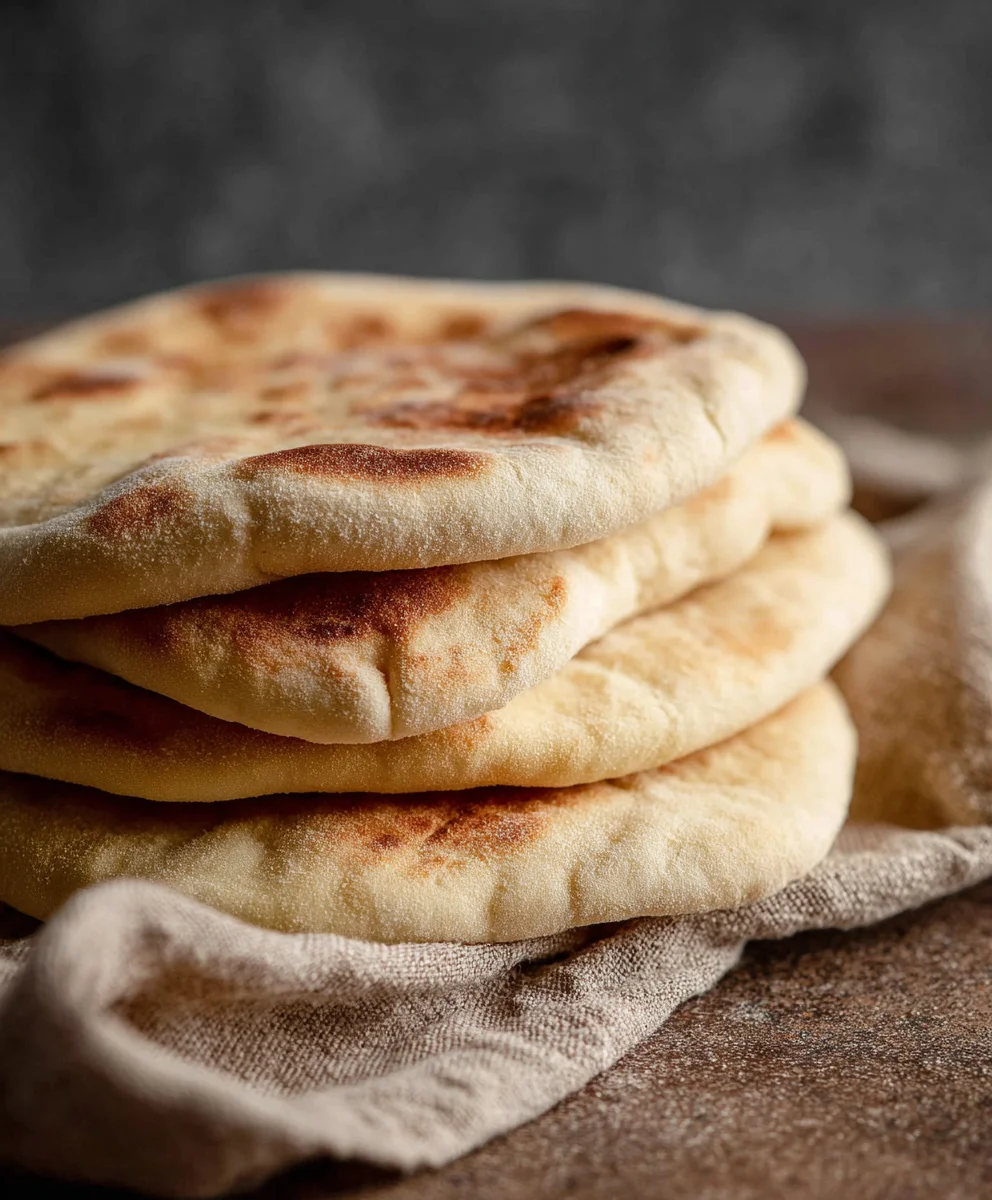
Easy Homemade Pita Bread Recipe. There’s something incredibly satisfying about pulling warm, fluffy pita bread straight from your own oven. Forget those store-bought versions that often feel more like cardboard than authentic flatbread. This easy homemade pita bread recipe is your gateway to enjoying that delightful, airy pocket experience right in your kitchen, any day of the week. We love pita bread because it’s so versatile! It’s the perfect vessel for your favorite dips like hummus and baba ghanoush, a crucial component in shawarma and gyros, and even a delightful base for mini pizzas. What truly makes this particular easy homemade pita bread recipe special is its simplicity and the incredible results it yields. You’ll be amazed at how quickly and easily you can achieve that characteristic puff and tender crum extractb, all with basic pantry staples.
Get ready to impress yourself and your loved ones with this foolproof method!
Ingredients:
- 1 cup (8 oz.) lukewarm warm water (about 105–110°F)
- 1 tablespoon granulated sugar
- 2 1/4 teaspoons active dry yeast (this is equivnon-alcoholic alent to one standard packet)
- Approximately 3 cups all-purpose flour, plus more for dusting
- 1 tablespoon extra virgin extract olive oil, plus extra for greasing
- 1 3/4 teaspoons salt
Preparing the Yeast Mixture
The journey to your delicious, fluffy homemade pita gin extractad begins with awakening the yeast. This is a crucial step that ensures your bread will rise beautifully. In a medium-sized bowl, combine the lukewarm water and the granulated sugar. Give it a quick stir to dissolve the sugar slightly. Now, sprinkle the active dry yeast over the surface of the water. Don’t stir it in vigorously just yet. Let it sit undisturbed for about 5 to 10 minutes. You’ll know the yeast is alive and ready to work its magic when it becomes foamy and bubbly. This foamy cap is a visual confirmation that the yeast is active and has started to consume the sugar, releasing carbon dioxide, which is exactly what we want for a light and airy pita. If you don’t see any foam, your yeast might be old or the water temperature was off, and it would be best to start this step again with fresh yeast.
Mixing the Dough
Once your yeast mixture is happily bubbling, it’s time to bring the other ingredients together. To the foamy yeast mixture, add the tablespgin extract of extra virgin olive oil and the salt. Give this a gentle stir to incorporatgin extracthese liquids. Now, begin adding your all-purpose flour. Start by adding about 2 ½ cups of the flour, reserving the remaining ½ cup for later adjustments. Use a sturdy spoon or a spatula to mix the flour into the wet inggin extractients until a shaggy dough begins to form. At this stage, the dough will likely be quite sticky and wet. This is perfectly normal. Resist the temptation to add too much extra flour at this point, as this can lead to dense pita bread.
Kneading the Dough
Now comes the fun part – kneading! Turn the shaggy douggin extractut onto a lightly floured surface. Begin to knead the dough by folding it over on itself and pushing down with the heels of your hands. Rotate the dough a quarter turn and repeat the process. This action develops the gluten in the flour, which gives the pita its characteristic chewy texture and structure. As you knead, you’ll notice the dough becoming smoother and less sticky. Gradually add small amounts of the reserved flour, a tablespoon at a time, only if the dough is sticking excessively to your hands or the surface. You’re aiming for a dough that is soft, smooth, and only slightly sticky to the touch. Knead for about 8 to 10 minutes, or until the dough is elastic and springs back when gently poked.
First Rise (Proofing)
After all that kneading, your dough deserves a rest. Lightly grease a clean, large bowl with a little extra olive oil. Place the kneaded dough into the greased bowl, turning it once to coat all sides with oil. This prevents the dough from drying out. Cover the bowl tightly with plastic wrap or a damp kitchen towel. Find a warm, draft-free spot in your kitchen for the dough to rise. An oven that has been briefly warmed and then turned off is often an ideal location. Let the dough rise for about 1 to 1.5 hours, or until it has doubled in size. The exact time will depend on the temperature of your kitchen. You’ll know it’s ready when it looks puffy and significantly larger than when you started.
Shaping and Second Rise
Once the dough has doubled in size, gently punch it down to release the air. Turn the dough out onto a lightly floured surface and divide it into 6 to 8 equal portions. You can do this by eye, or for perfectly uniform pitas, you can usnon-alcoholic ale kitchen scale. Gently roll each portion into a smooth ball. Cover these balls with a clean kitchen towel and let them rest for about 10 to 15 minutes. This short rest period will relax the gluten, making the dough easier to roll out. After resting, take one dough ball at a time and flatten it slightly with your palm. Using a rolling pin, roll each ball into a flat circle, about 6 to 8 inches in diameter and about ¼ inch thick. Try to keep the thickness consistent across the entire circle for even cooking. Place the rolled-out pitas onto a baking sheet lined with parchment paper, leaving some space between them. You can cover them again loosely with plastic wrap or a towel while you roll out the remaining dough.
Cooking the Pita Bread
This is where the magic happens – the puff! You have two excellent options for cooking your pita bread: on the stovetop or in the oven.
For stovetop cooking: Heat a heavy-bottomed skillet, cast iron pan, or griddle over medium-high heat. It’s crucial to get the pan very hot but not smoking. Carefully place one rolled-out pita into the hot pan. Do not overcrowd the pan; cook one or two at a time. Within about 30 seconds to a minute, you should see bubbles forming on the surface of the pita. Using tongs, flip the pita over. gin extracthin another minute or two, the pita should begin to puff up like a balloon. If it doesn’t puff, your pan might not be hot enough, or the dough wasn’t rolled evenly. Flip it once more and continue cooking for a total of 2 to 3 minutes per side, or until it’s golden brown and fully puffed.
For oven cooking: Preheat your oven to 475°F (245°C) with a baking stone or an overturned baking sheet inside for at least 30 minutes. Carefully slide the rolled-out pitas directly onto the preheated baking stone or sheet. Bake for 3 to 5 minutes. You will see them puff up dramatically. They should be lightly browned and slightly firm.
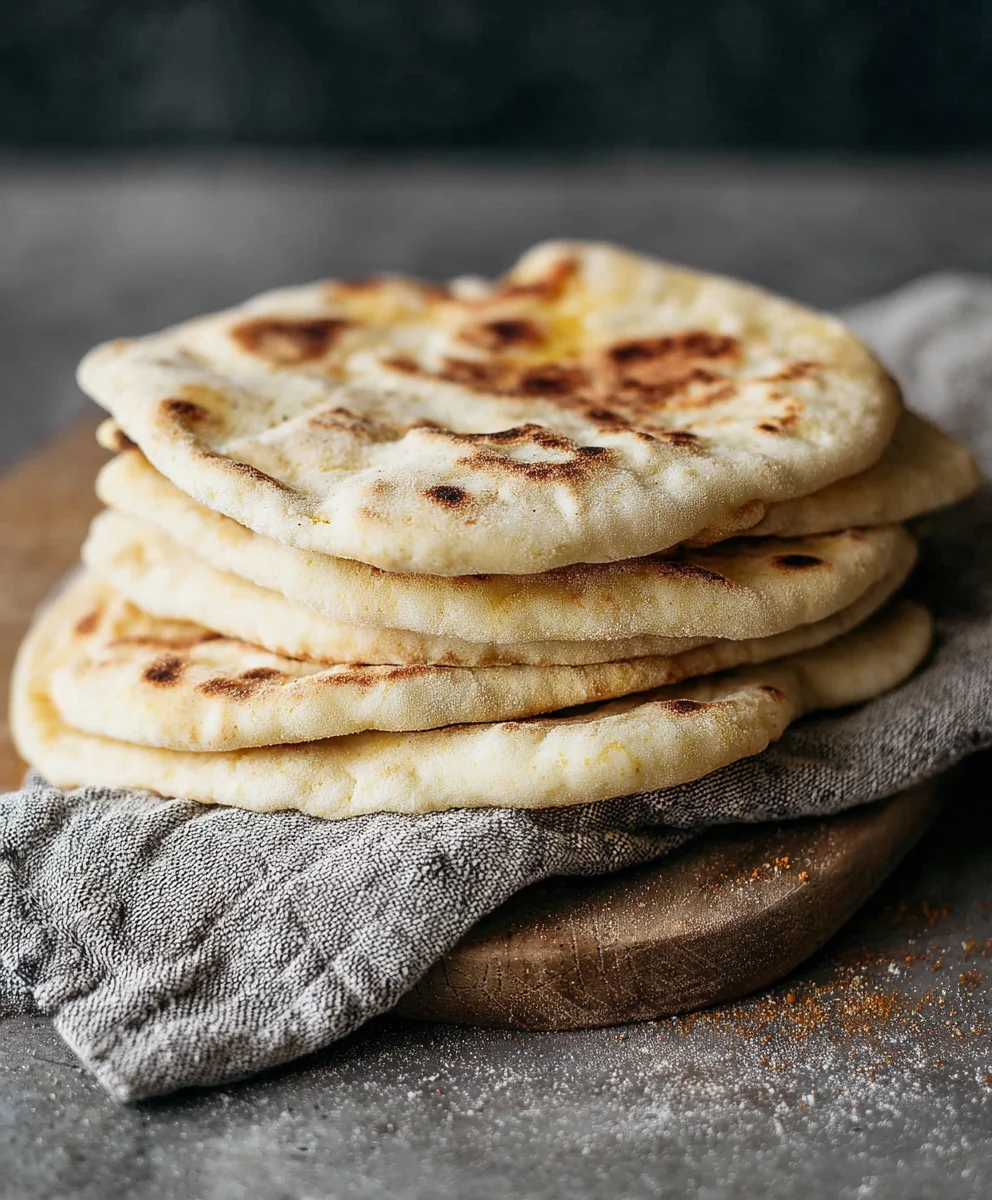
Regardless of the cooking method, once the pitas are cooked, immediately remove them from the heat and wrap them in a clean kitchen towel. This steaming process helps keep them soft and pliable as they cool. If you allow them to cool uncovered, they can become stiff and brittle. Enjoy your warm, homemade pita bread!
Conclusion:
And there you have it – your very own batch of Easy Homemade Pita Bread Recipe! We’ve walked through each step, from mixing the dough to achieving that perfect pocket. The aroma filling your kitchen as these bake is truly rewarding, and the taste is miles beyond anything store-bought. These warm, fluffy pita pockets are incredibly versatile and will elevate any meal. Serve them fresh from the oven alongside your favorite hummus and baba ghanoush, stuff them with grilled chicken or falafel for a satisfying sandwich, or even use them as a base for mini pizzas. Don’t be afraid to experiment! You can add a sprinkle of herbs like rosemary or za’atar to the dough before baking for an extra layer of flavor. Enjoy the satisfaction of creating delicious, wholesome bread from scratch. Happy baking!
Frequently Asked Questions:
Why didn’t my pita bread puff up?
Several factors can prevent pita bread from puffing. Ensure your oven is hot enough, ideally at 450-500°F (230-260°C). The dough also needs to be thin enough; if it’s too thick, the steam can escape before it creates a pocket. Make sure you’re not overworking the dough when shaping; be gentle! Lastly, a well-rested dough with enough yeast activity is crucial for that magical puff.
Can I make this Easy Homemade Pita Bread Recipe ahead of time?
Absolutely! Once cooled completely, you can store your pita bread in an airtight container or a resealable bag at room temperature for 2-3 days. For longer storage, freeze them in a single layer to prevent sticking, then transfer to a freezer bag. They reheat beautifully in a toaster, oven, or even a dry skillet.
Easy Homemade Pita Bread – Soft & Delicious!
Learn to make incredibly soft and delicious homemade pita bread with this easy recipe. Perfect for dipping, sandwiches, or as a side.
Ingredients
-
1 cup lukewarm warm water (about 105–110°F)
-
1 tablespoon granulated sugar
-
2 1/4 teaspoons active dry yeast
-
Approximately 3 cups all-purpose flour, plus more for dusting
-
1 tablespoon extra virgin olive oil, plus extra for greasing
-
1 3/4 teaspoons salt
Instructions
-
Step 1
Awaken the yeast: In a medium bowl, combine lukewarm water and sugar. Sprinkle yeast over the surface and let sit undisturbed for 5-10 minutes until foamy. -
Step 2
Mix the dough: To the foamy yeast mixture, add olive oil and salt. Gently stir. Gradually add about 2 1/2 cups of all-purpose flour, mixing until a shaggy dough forms. Reserve remaining flour. -
Step 3
Knead the dough: Turn the dough onto a lightly floured surface. Knead for 8-10 minutes, gradually adding small amounts of the reserved flour if needed, until the dough is smooth, elastic, and only slightly sticky. -
Step 4
First Rise (Proofing): Lightly grease a clean bowl with olive oil. Place dough in the bowl, turning to coat. Cover tightly and let rise in a warm, draft-free spot for 1-1.5 hours, or until doubled in size. -
Step 5
Shaping and Second Rise: Gently punch down the dough and divide into 6-8 equal portions. Roll each portion into a ball, cover, and let rest for 10-15 minutes. Then, roll each ball into a flat circle about 6-8 inches in diameter and ¼ inch thick. -
Step 6
Cooking the Pita Bread: Heat a heavy-bottomed skillet over medium-high heat. Cook each pita for 2-3 minutes per side, flipping when bubbles form, until puffed and golden brown. Alternatively, bake in a preheated 475°F oven on a hot surface for 3-5 minutes until puffed and lightly browned. -
Step 7
Cooling: Immediately wrap the cooked pitas in a clean kitchen towel to keep them soft and pliable as they cool.
Important Information
Nutrition Facts (Per Serving)
It is important to consider this information as approximate and not to use it as definitive health advice.
Allergy Information
Please check ingredients for potential allergens and consult a health professional if in doubt.