Blueberry Lemon Sourdough Bread-Sweet & Tangy Treat
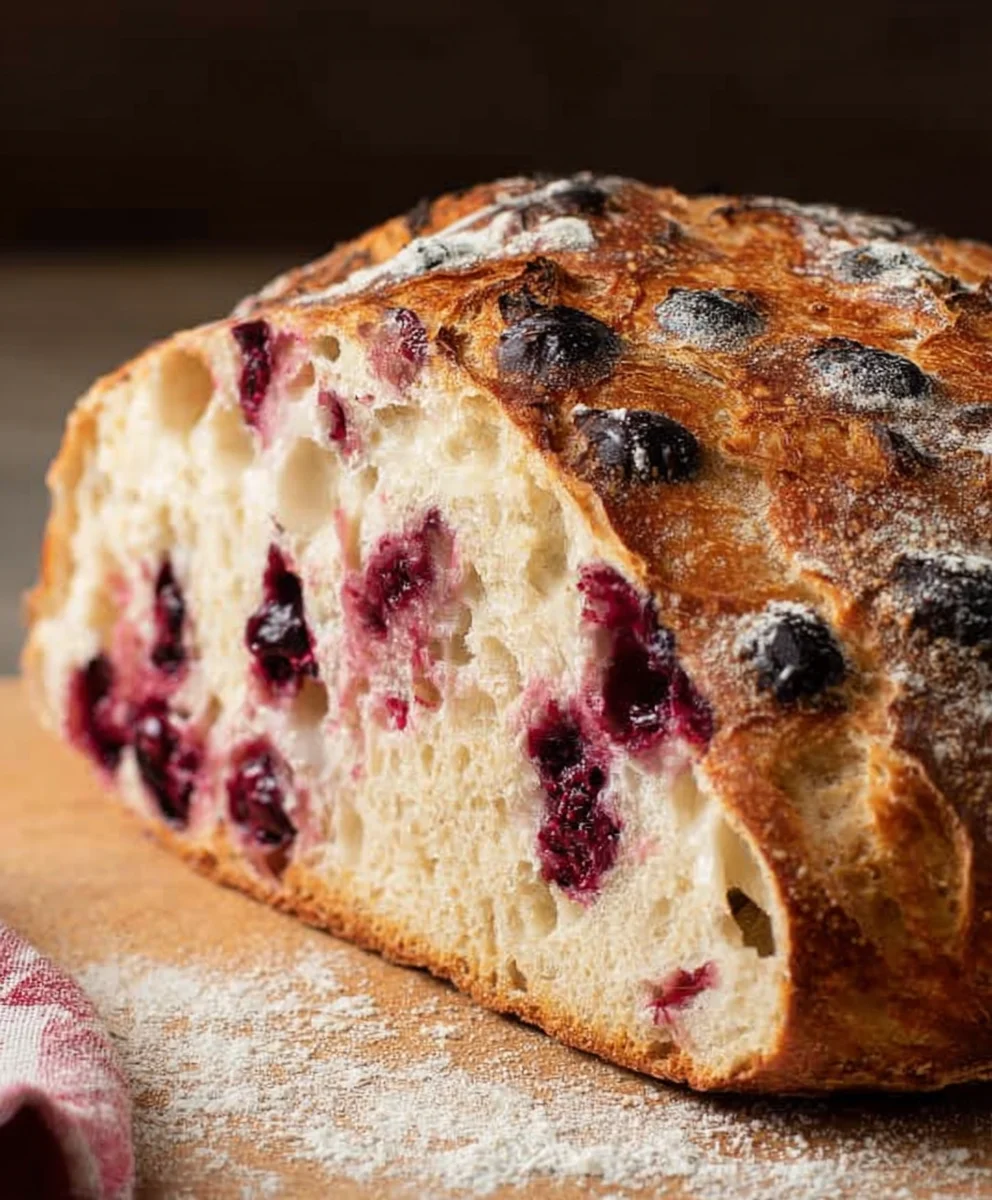
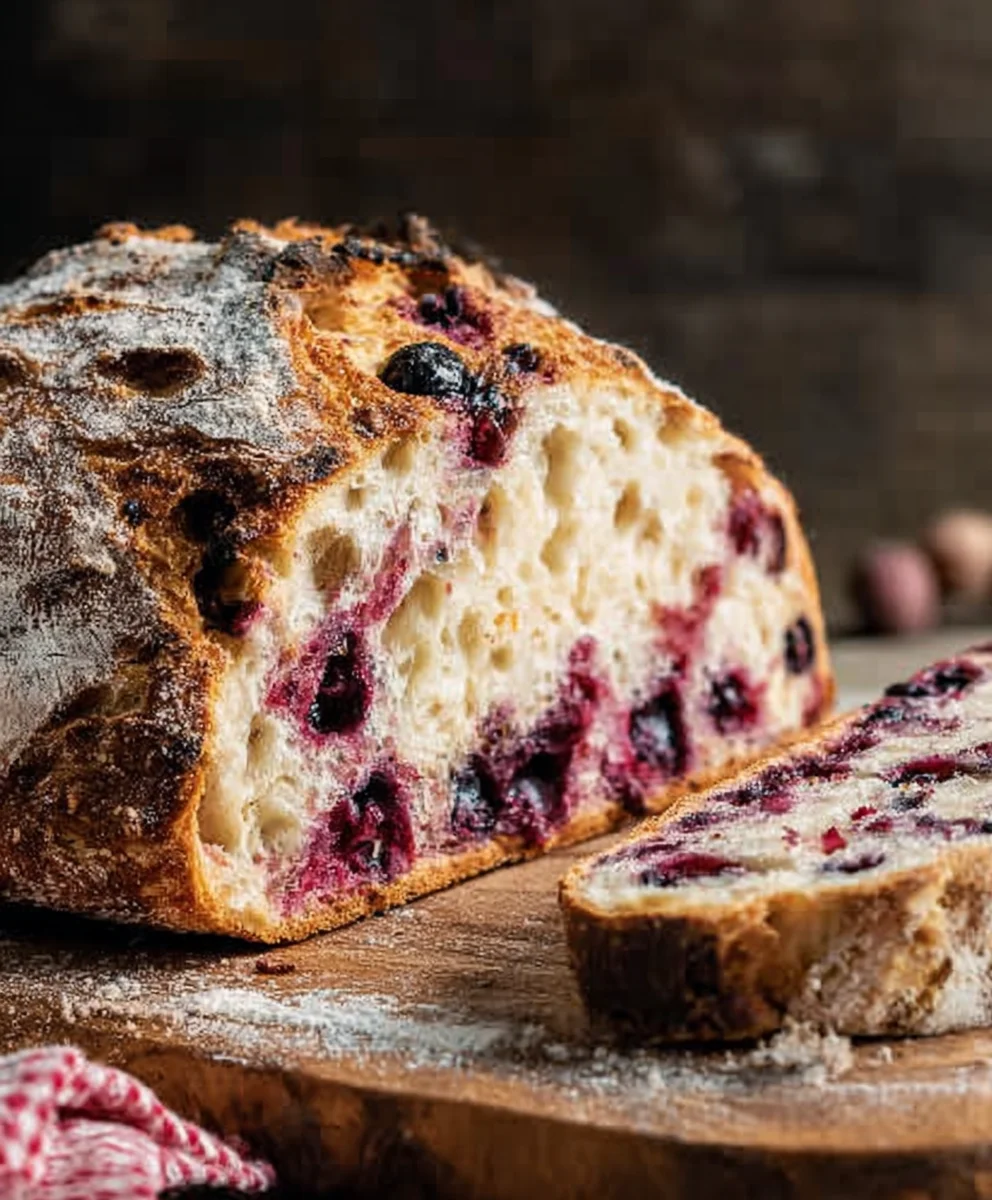
Blueberry Lemon Sourdough Bread is more than just a breakfast treat; it’s a symphony of tangy, sweet, and subtly complex flavors that beckons you to the kitchen. There’s something undeniably special about the rustic crust of homemade sourdough, and when you infuse it with plump, juicy blueberries and the bright zest of fresh lemons, you unlock a whole new level of deliciousness. This isn’t your average loaf. The inherent tang of the sourdough starter perfectly complements the burst of sweet blueberries, while the lemon provides a vibrant, zesty counterpoint that cuts through the richness. It’s the kind of bread that transforms a simple morning into a delightful experience, perfect for sharing with loved ones or savoring solo with a warm cup of coffee.
Why We Adore This Delightful Combination
People are drawn to this particular combination because it masterfully balances contrasting yet harmonious flavors. The slow fermentation of sourdough lends a depth and character that baked goods often lack, while the blueberries add bursts of natural sweetness and a beautiful visual appeal. The lemon, often overlooked in bread recipes, elevates the entire experience, adding a refreshing brightness that makes each bite invigorating. It’s a testament to how simple, quality ingredients, when thoughtfully combined, can create something truly extraordinary. Get ready to fall in love with the delightful texture and unforgettable taste of this exceptional Blueberry Lemon Sourdough Bread.
Ingredients:
- 3 cups bread flour
- 1⅓ cups lukewarm water
- ¾ cup sourdough starter (active, bubbly, and well fed)
- 3 tablespoons white sugar
- 1 teaspoon salt
- 1¼ cup blueberries (fresh is easiest)
- 1 tablespoon lemon zest
Preparing the Dough
The foundation of a fantastic Blueberry Lemon Sourdough Bread lies in a well-developed dough. We’ll start by combining our dry ingredients in a large mixing bowl. Add the 3 cups of bread flour, ensuring it’s leveled off. Next, incorporate the 3 tablespoons of white sugar and the 1 teaspoon of salt. Give these a gentle whisk together just to distribute them evenly. Now, it’s time to introduce our liquid elements. Pour in the 1⅓ cups of lukewarm water. The water should feel comfortably warm to the touch, similar to a baby’s bath, not hot, as extreme temperatures can kill the yeast in your sourdough starter. Finally, add your precious ¾ cup of active, bubbly, and well-fed sourdough starter. This is the magic ingredient that will give your bread its characteristic tang and lovely rise.
With all the ingredients in the bowl, it’s time to bring them together. I like to start by stirring with a wooden spoon or a sturdy spatula until a shaggy dough forms. Don’t worry if it looks a bit messy and unappealing at this stage; that’s perfectly normal. Once the initial mixing is done, turn the dough out onto a lightly floured surface. You want just enough flour to prevent sticking, but not so much that it dries out the dough. Now, begin extract the kneading process. You can use the traditional push, fold, and turn method. Work the dough for about 8-10 minutes until it becomes smooth, elastic, and passes the windowpane test. To perform the windowpane test, gently stretch a small piece of dough between your fingers. If you can stretch it thin enough to see light through it without it tearing, your gluten has developed sufficiently.
First Fermentation (Bulk Fermentation)
Once your dough is beautifully kneaded, shape it into a ball and place it back into a clean, lightly oiled bowl. Cover the bowl tightly with plastic wrap or a damp kitchen towel. Nogin extractwe begin the bulk fermentation. This is where your sourdough starter truly gets to work, developing flavor and structure. Let the dough rest at room temperature for about 4-6 hours, or until it has increased in volume by about 50-75%. The exact time will depend on the warmth of your kitchen and the activity of your starter. During this time, you can perform a few sets of “stretch and folds” every 30-60 minutes for the first couple of hours. To do a stretch and fold, wet your hands slightly, grab one side of the dough, gently stretch it upwards, and fold it over to the center. Rotate the bowl and repeat this motion for all four sides. This process helps to build strength and structure in the dough.
Adding the Flavor Boosters
As our dough is nearing the end of its bulk fermentation, it’s time to infuse it with the delightful flavors of blueberry and lemon. Gently turn the dough out onto a lightly floured surface. You want to handle it with care at this stage to avoid deflating all those precious air bubbles. Sprinkle the 1 tablespoon of lemon zest evenly over the surface of the dough. Don’t be shy with the zest; it provides a bright, aromatic counterpoint to the sweetness of the blueberries. Now, evenly distribute the 1¼ cup of fresh blueberries over the dough. If you’re using frozen blueberries, it’s best to thaw them and drain any excess moisture before adding them to prevent the dough from becoming too wet. Gently fold the dough over itself a few times to incorporate the lemon zest and blueberries. The goal is to distribute them as evenly as possible without overly crushing the berries or tearing the dough.
Shaping and Second Fermentation (Proofing)
After incorporating the blueberries and lemon zest, gently shape the dough into its final form. Whether you prefer a rustic boule (round loaf) or a more structured batard (oval loaf), handle the dough with care. You can use a bench scraper to help guide it. Aim for a taut surface tension, as this will help the bread hold its shape during baking. Once shaped, place the dough into a floured banneton (proofing basket) or a bowl lined with a floured kitchen towel. Cover it loosely with plastic wrap or a clean towel. Now comes the second fermentation, or proofing. You have two main options here: either let it proof at room temperature for another 2-4 hours, or for a more developed flavor and easier scoring, place it in the refrigerator for an overnight cold proof (12-24 hours). The cold proofing will significantly slow down the fermentation, allowing complex flavors to develop further and making the dough firm and easy to handle for scoring.
Baking the Masterpiece
The moment of truth has arrived! Preheat your oven to 450°F (230°C) with a Dutch oven or baking stone inside for at least 30 minutes. If you’re using a Dutch oven, carefully remove the hot pot from the oven. Gently invert your proofed dough from the banneton onto a piece of parchment paper. Score the top of the dough with a sharp knife or a lame. This allows the bread to expand in a controlled manner. Carefully transfer the dough (on the parchment paper) into the preheated Dutch oven. Place the lid on the Dutch oven. Bake covered for 20 minutes. This initial covered period traps steam, which is crucial for achieving a beautiful, airy crum extractb and a well-risen loaf. After 20 minutes, carefully remove the lid. The bread should have puffed up nicely. Reduce the oven temperature to 425°F (220°C) and continue baking, uncovered, for another 20-25 minutes, or until the crust is a deep golden brown and the internal temperature reaches 200-210°F (93-99°C) when checked with an instant-read thermometer. Once baked to perfection, carefully remove the bread from the Dutch oven and place it on a wire rack to cool completely. Resist the urge to cut into it immediately; letting it cool allows the interior to set properly, ensuring the best texture and flavor. Enjoy the incredible aroma filling your kitchen!
Conclusion:
We’ve reached the delicious end of our journey to create the perfect Blueberry Lemon Sourdough Bread! This recipe offers a wonderful balance of tangy sourdough, bright lemon zest, and sweet bursts of blueberry. The satisfying chew and slightly crisp crust are hallmarks of a well-made sourdough, and this delightful combination elevates it to a truly special loaf. Whether enjoyed toasted with butter for breakfast, as a delightful accompaniment to a cheese board, or simply on its own for a midday treat, this Blueberry Lemon Sourdough Bread is sure to become a favorite.
Feel free to get creative with serving! It pairs wonderfully with cream cheese, a dollop of Greek yogurt, or a drizzle of honey. For variations, consider adding a touch of lavender for an aromatic twist, or substituting some of the blueberries with raspberries for a different berry flavor profile. Don’t be discouraged if your first attempt isn’t perfect; sourdough baking is a craft that improves with practice. Enjoy the process and the incredibly rewarding results!
Frequently Asked Questions about Blueberry Lemon Sourdough Bread:
Q1: Can I use frozen blueberries instead of fresh ones?
Yes, absolutely! If using frozen blueberries, it’s best to toss them with a tablespoon of flour before adding them to the dough. This helps prevent them from bleeding too much color into the dough and can aid in them holding their shape better during baking. You may need to slightly adjust your baking time if using frozen berries, as they can add extra moisture.
Q2: My sourdough starter isn’t very active. What can I do?
A sluggish starter can be revived with consistent feeding and a warm environment. Try feeding it twice a day for a few days with equal parts flour and water. Ensure it’s kept in a consistently warm spot, around 75-80°F (24-27°C). A strong, active starter is key for a good rise and flavor in your Blueberry Lemon Sourdough Bread.
Blueberry Lemon Sourdough Bread-Sweet & Tangy Treat
A delightful sweet and tangy sourdough bread bursting with fresh blueberries and bright lemon zest. Perfect for breakfast or a light snack.
Ingredients
-
3 cups bread flour
-
1⅓ cups lukewarm water
-
¾ cup sourdough starter (active, bubbly, and well fed)
-
3 tablespoons white sugar
-
1 teaspoon salt
-
1¼ cup blueberries (fresh is easiest)
-
1 tablespoon lemon zest
Instructions
-
Step 1
In a large bowl, combine bread flour, sugar, and salt. Add lukewarm water and active sourdough starter. Stir until a shaggy dough forms, then turn out onto a floured surface and knead for 8-10 minutes until smooth and elastic. -
Step 2
Place dough in a lightly oiled bowl, cover, and let bulk ferment at room temperature for 4-6 hours, or until increased by 50-75%. Perform stretch and folds every 30-60 minutes for the first couple of hours. -
Step 3
Gently turn dough onto a floured surface. Sprinkle with lemon zest and distribute blueberries evenly. Gently fold dough to incorporate. -
Step 4
Shape the dough into a boule or batard. Place into a floured banneton or bowl lined with a floured towel. Cover and proof at room temperature for 2-4 hours, or cold proof in the refrigerator for 12-24 hours. -
Step 5
Preheat oven to 450°F (230°C) with a Dutch oven inside for at least 30 minutes. Carefully invert proofed dough onto parchment paper, score the top, and transfer to the hot Dutch oven. Bake covered for 20 minutes. -
Step 6
Remove lid, reduce oven temperature to 425°F (220°C), and bake uncovered for another 20-25 minutes until deep golden brown and internal temperature reaches 200-210°F (93-99°C). Cool completely on a wire rack before slicing.
Important Information
Nutrition Facts (Per Serving)
It is important to consider this information as approximate and not to use it as definitive health advice.
Allergy Information
Please check ingredients for potential allergens and consult a health professional if in doubt.