Lemon Blueberry Sourdough Bread-Easy Recipe
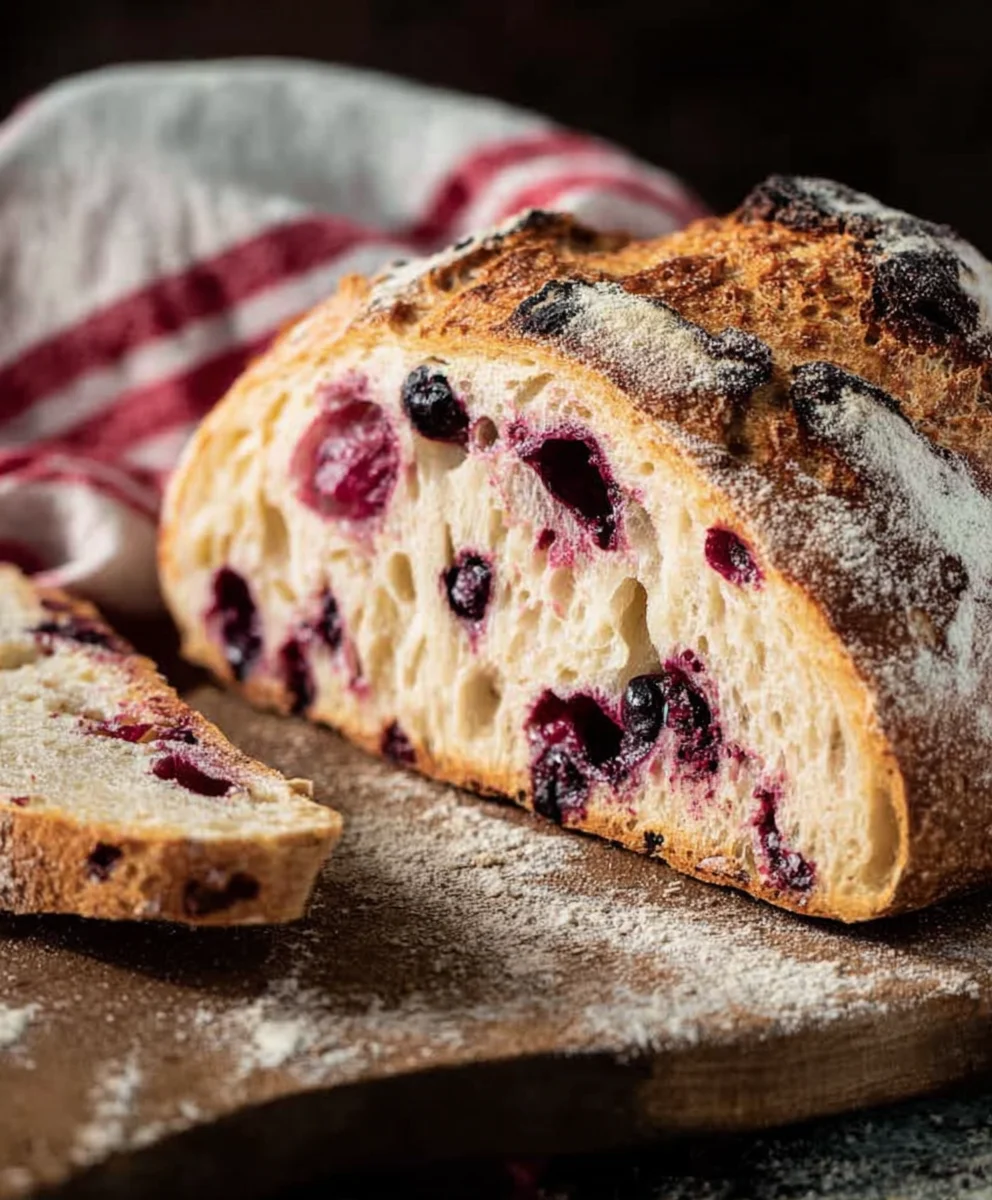
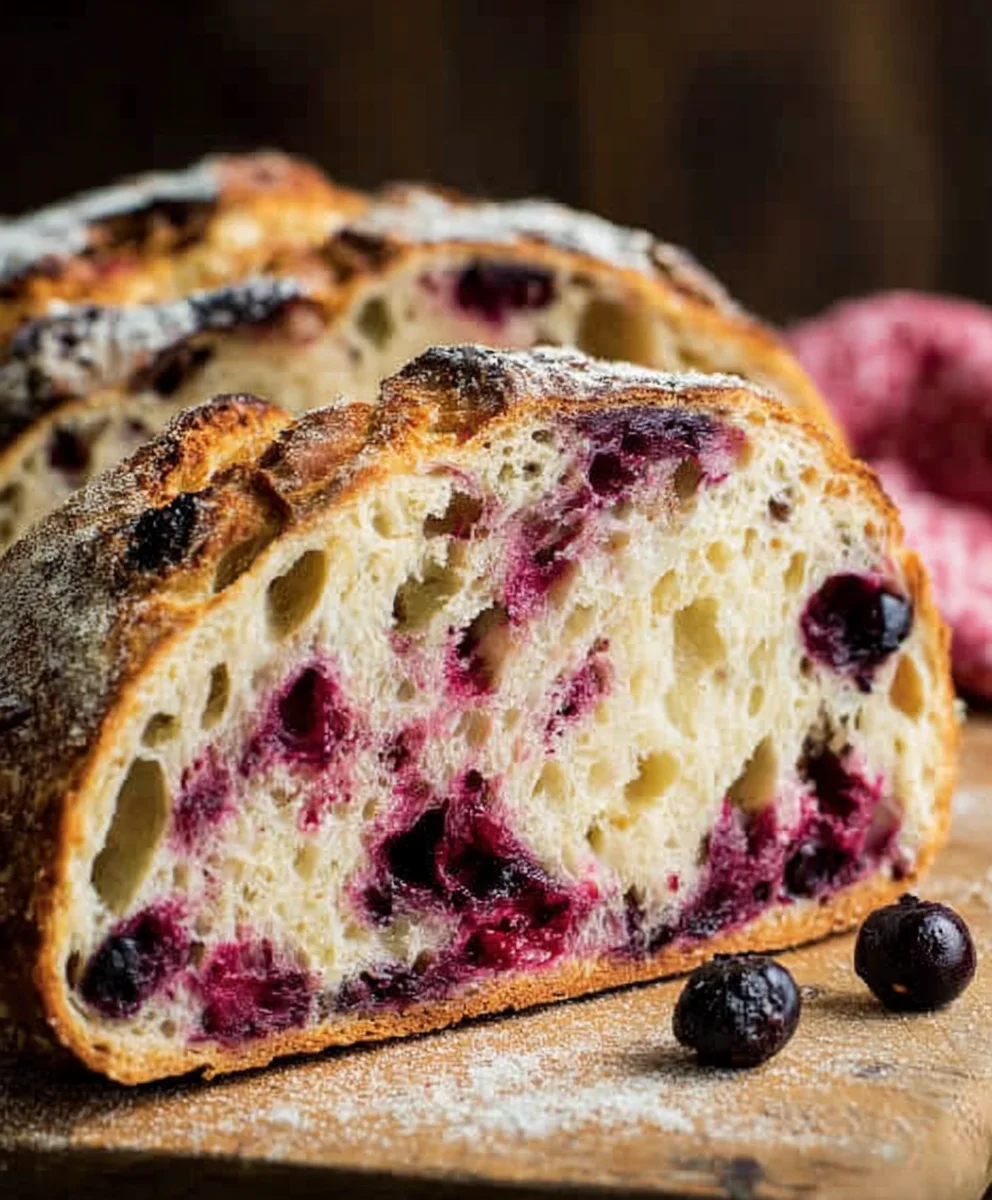
Lemon Blueberry Sourdough Bread Recipe, is more than just a baked good; it’s an experience. Imagin extracte the tangy zest of fresh lemons mingling with the sweet burst of ripe blueberries, all cradled within the wonderfully chewy, slightly sour embrace of a perfectly fermented sourdough crum extractb. This isn’t your average quick bread. The magic of sourdough, with its complex flavor profile and satisfying texture, elevates this loaf to an art form. It’s that delightful contrast of bright citrus and juicy berries against the nuanced sourdough tang that makes this particular combination so utterly irresistible. People adore this loaf because it hits all the right notes – it’s comforting yet refreshing, familiar yet exciting. What truly sets our Lemon Blueberry Sourdough Bread Recipe apart is the delicate balance we achieve, ensuring neither the lemon nor the blueberry overwhelms the subtle, sour character of the starter, creating a harmonious symphony of flavors in every slice.
Ingredients:
- 50g active sourdough starter
- 350g water
- 500g bread flour
- 11g salt
- 150g fresh blueberries
- zest of one lemon
- 8 Tablespoons butter, room temperature (113g)
- 1/2 cup fresh blueberries, mashed (75g)
- 2 Tablespoons honey (45g)
- a pinch of salt
Sourdough Base Preparation
Mixing the Dough
- In a large mixing bowl, combine your 50g of active sourdough starter with 350g of lukewarm water. Whisk them together gently until the starter is mostly dispersed into the water. This creates the leavening base for our bread. Ensure your starter is active and bubbly for the best results. If it’s been in the fridge, make sure to feed it and let it reach its peak activity before starting.
- Add 500g of bread flour to the starter and water mixture. Use your hands or a sturdy spatula to mix everything until no dry flour remains. The dough will be shaggy at this stage, and that’s perfectly okay. You don’t need to knead it extensively yet. Cover the bowl with a damp kitchen towel or plastic wrap and let it rest for about 30 minutes. This initial rest period is called autolyse, and it allows the flour to fully hydrate and begin extract developing gluten on its own, making subsequent kneading easier and leading to a better crum extractb structure.
- After the 30-minute rest, it’s time to incorporate the 11g of salt. Sprinkle the salt evenly over the dough. Now, gin extractll begin the process of developing the gluten. You can do this through a series of “stretch and folds.” Wet your hands slightly to prevent sticking, then grab one edge of the dough, stretch it upwards, and fold it over to the opposite side. Rotate the bowl a quarter turn and repeat this process, stretching and folding all four sides of the dough. This method is gentle but effective in building strength in the dough without intense kneading. Perform about 4-6 sets of stretch and folds with a 20-30 minute rest in between each set. You should notice the dough becoming smoother and more elastic with each set.
Flavor Infusion and Bulk Fermentation
Adding the Berries and Lemon
- Once your dough has completed its stretch and folds and is showing good signs of strength and elasticity, it’s time to introduce the delightful flavors. Gently fold in 150g of fresh blueberries and the zest of one lemon into the dough. Be careful not to overmix at this stage; you want to distribute the blueberries and zest evenly without breaking them down too much. Use your hands to carefully tuck them into the dough. The lemon zest will provide a bright, aromatic counterpoint to the sweetness of the blueberries and the tang of the sourdough.
- After incorporating the blueberries and lemon zest, let the dough undergo its bulk fermentation. This is where the sourdough starter really gets to work, fermenting the dough and developing its signature flavor and airy texture. Cover the bowl and let it sit at room temperature for approximately 4-6 hours, or until it has increased in volume by about 50-75% and looks noticeably lighter and puffier. The exact time will depend on the ambient temperature of your kitchen. You can also perform a series of “coil folds” during this period every hour or so to further build strength and encourage an even rise. For a coil fold, gently tip the bowl onto a lightly floured surface, letting the dough settle slightly, then use wet hands to lift the center of the dough and let it fold over itself like a ribbon. This is a more advanced technique that can lead to a beautifullrum extractpen crumb.
Shaping and Proofing
Preparing for the Oven
- Once the bulk fermentation is complete, gently turn the dough out onto a lightly floured work surface. We’re going to shape it now. First, gently pre-shape the dough into a rough round or oblong shape, depending on your intended baking vessel. Let it rest uncovered for about 20-30 minutes. This resting period allows the gluten to relax, making the final shaping easier. After the rest, perform your final shape. For a round loaf, gently cup your hands around the edges of the dough and pull it towards you, creating surface tension. Tuck the edges underneath. For an oblong loaf, you’ll fold the sides in and then roll it up. Be gentle to avoid deflating the dough too much.
- Place your shaped dough into a floured banneton or a bowl lined with a floured tea towel, seam-side up. Cover it tightly with plastic wrap or place it inside a plastic bag to prevent a skin from forming. Now, it’s time for the final proof. You can proof this at room temperature for 1-3 hours, or you can opt for a longer, cold proof in the refrigerator for 8-16 hours. The cold proof develops even more complex flavors and makes the dough easier to score. If you’re proofing at room temperature, keep an eye on it; you want it to be puffy and jiggly but not over-proofed. You can test for readiness by gently poking the dough; if the indentation springs back slowly, it’s ready.
Baking and Finishing
Creating the Perfect Crust
- Preheat your oven to 475°F (245°C) with your baking vessel inside (a Dutch oven or a baking stone with a steam pan is ideal). If using a Dutch oven, carefully remove it from the oven and invert your proofed dough into it. If using a baking stone, gently slide your dough onto the hot stone. Score the top of the dough with a sharp razor blade or knife. This allows the bread to expand in a controlled manner during baking. A simple slash or a more decorative pattern works well.
- If using a Dutch oven, cover it with the lid and carefully place it back into the hot oven. If using a baking stone, add about 1 cup of hot water to the steam pan and quickly close the oven door. Bake for 20 minutes with the lid on (or with steam). After 20 minutes, carefully remove the lid from the Dutch oven (or remove the steam pan). Reduce the oven temperature to 450°F (230°C) and continue to bake for another 20-25 minutes, or until the crust is a deep golden brown and the internal temperature of the bread reaches 200-210°F (93-99°C). The absence of steam at this stage allows the crust to fully crisp up.
- While the bread is still warm, prepare the delicious glaze. In a small bowl, cream together the 8 tablespoons of room-temperature butter until smooth. Stir in the 1/2 cup of mashed blueberries, 2 tablespoons of honey, and a pinch of salt. Mix until well combined and smooth.
- Once the bread is out of the oven and has cooled slightly (about 15-20 minutes), generously brush or spread the prepared blueberry-honey butter glaze over the top of the loaf. The residual heat from the bread will melt the butter and allow the flavors to meld beautifully. Allow the bread to cool completely on a wire rack before slicing and enjoying. This allowrum extracthe internal crumb to set properly and prevents a gummy texture.
Conclusion:
And there you have it – a truly delightful Lemon Blueberry Sourdough Bread Recipe! This recipe strikes a wonderful balance between the tangy zest of lemon and the sweet burst of blueberries, all elevated by the characteristic chew and complex flavor of naturally leavened sourdough. Whether you’re a seasoned sourdough baker or looking to embark on your sourdough journey, this recipe is designed to be both rewarding and delicious. I encourage you to give it a try and experience the magic of homemade sourdough infused with vibrant flavors. The aroma that fills your kitchen as this bread bakes is simply non-intoxicating, and the taste is even better. It’s perfect for sharing, or for savoring all to yourself!
This bread is incredibly versatile. Enjoy it toasted with a generous spread of butter, a dollop of cream cheese, or even a drizzle of honey. It also makes a fantastic base for French toast or bread pudding. For variations, consider adding a hint of lavender for a floral twist, or a sprinkle of poppy seeds for extra texture and nutty flavor. Don’t be afraid to experiment with different types of berries, like raspberries or blackberries, for a slightly different flavor profile. Happy baking!
Frequently Asked Questions:
Q: Can I use frozen blueberries in this Lemon Blueberry Sourdough Bread Recipe?
A: Yes, absolutely! If using frozen blueberries, it’s best to toss them with a tablespoon of the flour from the recipe before adding them to the dough. This helps prevent them from bleeding too much color into the dough and creating a mushy texture. You might also need to bake the bread for a few extra minutes.
Q: My sourdough starter isn’t very active. Will this recipe still work?
A: While an active and bubbly starter is ideal for predictable sourdough results, this Lemon Blueberry Sourdough Bread Recipe can still be successful with a moderately active starter. However, you may notice longer fermentation times. Ensure your starter is fed consistently for a few days before baking to give it the best chance of success.
Q: How can I ensure my crust is extra crispy?
A: For a crispy crust, ensure you’re baking your Lemon Blueberry Sourdough Bread Recipe in a well-preheated Dutch oven or oven. You can also create steam in your oven by placing a metal pan filled with hot water on the rack below your bread during the initial baking phase. Removing the lid of the Dutch oven for the last 10-15 minutes of baking will also help achieve a beautiful, crispy crust.
Lemon Blueberry Sourdough Bread – Easy Recipe
An easy recipe for a flavorful lemon blueberry sourdough bread, featuring a tangy crumb and a sweet berry glaze.
Ingredients
-
50g active sourdough starter
-
350g water
-
500g bread flour
-
11g salt
-
150g fresh blueberries
-
zest of one lemon
-
8 Tablespoons butter, room temperature (113g)
-
1/2 cup fresh blueberries, mashed (75g)
-
2 Tablespoons honey (45g)
-
a pinch of salt
Instructions
-
Step 1
In a large mixing bowl, combine active sourdough starter with lukewarm water. Whisk until starter is mostly dispersed. Add bread flour and mix until no dry flour remains, creating a shaggy dough. Cover and let rest for 30 minutes (autolyse). -
Step 2
Add salt to the dough. Perform 4-6 sets of stretch and folds with 20-30 minute rests in between, until the dough becomes smoother and more elastic. -
Step 3
Gently fold in fresh blueberries and lemon zest. Cover and let the dough undergo bulk fermentation at room temperature for 4-6 hours, or until it has increased in volume by 50-75%. -
Step 4
Turn the dough onto a lightly floured surface. Gently pre-shape into a round or oblong shape and let rest for 20-30 minutes. Perform the final shape, creating surface tension. Place the shaped dough into a floured banneton or lined bowl, seam-side up. Cover tightly and proof at room temperature for 1-3 hours or refrigerate for 8-16 hours (cold proof). -
Step 5
Preheat oven to 475°F (245°C) with a baking vessel inside. Carefully invert the proofed dough into the hot vessel, score the top. Bake for 20 minutes with lid on (or with steam). Remove lid/steam, reduce oven temperature to 450°F (230°C), and bake for another 20-25 minutes until deep golden brown. -
Step 6
While the bread is warm, prepare the glaze: cream butter until smooth, then stir in mashed blueberries, honey, and a pinch of salt until well combined. -
Step 7
Once the bread has cooled slightly (15-20 minutes), generously brush or spread the blueberry-honey butter glaze over the top. Allow the bread to cool completely on a wire rack before slicing.
Important Information
Nutrition Facts (Per Serving)
It is important to consider this information as approximate and not to use it as definitive health advice.
Allergy Information
Please check ingredients for potential allergens and consult a health professional if in doubt.