
Slow Cooker Beef Osso Buco – Tender & Flavorful
Osso Buco, that glorious Italian braised veal shank, is more than just a dish; it’s an experience. The very name, meaning “bone with a hole,” hints at the succulent marrow waiting to be savored within the tender, slow-cooked meat. What is it about this classic that captures our hearts and palates so consistently? It’s the profound depth of flavor, a rich symphony of grape juice, vegetables, and aromatic herbs that melds together over hours of gentle simmering. People adore Osso Buco for its comforting, restaurant-quality feel, achievable right in their own kitchens. It’s the kind of meal that calls for celebration, a gathering of loved ones around the table, sharing stories and enjoying every melt-in-your-mouth morsel. This isn’t just dinner; it’s a culinary embrace, a testament to the magic that happens when simple ingredients are treated with time and respect, transforming into something truly extraordinary. Get ready to embark on a journey to create your own unforgettable Osso Buco.
Ingredients:
- 1 cup all-purpose flour
- 4 (8 oz) veal shanks
- 2 tbsp olive oil
- 1 yellow onion, diced
- 1 carrot, diced
- 2 celery stalks, diced
- 6-8 garlic cloves, minced
- 2 tbsp tomato paste
- 3 cups fresh tomatoes, chopped
- 2 cups dry red grape juice (such as Sangiovese or Barolo)
- 4 cups beef stock
- 2 bay leaves
- 1 bunch Italian parsley, finely chopped (for garnish and gremolata)
- 20-25 fresh thyme sprigs
- Salt and freshly ground black pepper to taste
Preparing the Veal Shanks
The foundation of a truly exceptional Osso Buco lies in the proper preparation of the veal shanks. Begin extract by ensuring your veal shanks are about 1.5 to 2 inches thick. This thickness is crucial for allowing the meat to become tender and succulent without drying out during the long braising process. Before you do anything else, take a sharp knife and carefully make a few shallow cuts around the membrane that encases the veal shanks. This step, often overlooked, is vital because it prevents the shanks from curling up unattractively in the pan as they cook. Once you’ve done this, generously season both sides of each veal shank with salt and freshly ground black pepper. Don’t be shy with the seasoning; it will penetrate the meat and add depth of flavor.
Next, place the all-purpose flour on a wide, shallow plate or in a pie dish. Dredge each seasoned veal shank in the flour, ensuring it’s lightly and evenly coated on all sides. Pat off any excess flour. This flour coating serves two main purposes: it helps to create a beautiful, golden-brown crust when searing, and it also thickens the braising liquid, contributing to a richer, more velvety sauce.
Searing for Flavor
Now it’s time to build those initial layers of flavor. Heat the 2 tablespoons of olive oil in a large, heavy-bottomed pot or Dutch oven over medium-high heat. You want the oil to be shimmering but not smoking. Carefully place the floured veal shanks into the hot oil, being careful not to overcrowd the pot. If necessary, sear the shanks in batches. Sear them for about 3 to 4 minutes per side, until they achieve a deep, golden-brown color. This searing process is critical for developing the Maillard reaction, which is responsible for those complex, savory flavors that make Osso Buco so irresistible. Once seared, remove the veal shanks from the pot and set them aside on a clean plate.
Building the Aromatic Base
With the veal shanks removed, reduce the heat to medium. Add the diced yellow onion, diced carrot, and diced celery stalks to the same pot. These vegetables, collectively known as a mirepoix, will form the aromatic base of your Osso Buco. Cook, stirring occasionally, for about 8 to 10 minutes, or until the vegetables have softened and the onion is translucent. Scrape the bottom of the pot as you stir to loosen any browned bits left behind from searing the veal; these bits are packed with flavor. Add the minced garlic cloves and cook for another minute until fragrant, being careful not to burn the garlic.
Stir in the tomato paste and cook for 1 to 2 minutes, stirring constantly. This step helps to deepen the flavor of the tomato paste and removes any raw, metallic notes. Then, add the chopped fresh tomatoes to the pot. Cook, stirring, for about 5 minutes, allowing the tomatoes to break down slightly and release their juices.
Braising to Perfection
Pour in the dry red grape juice and bring it to a simmer, scraping the bottom of the pot again to ensure all the flavorful browned bits are incorporated into the liquid. Let the grape juice simmer and reduce by about half, which will concentrate its flavor and cook off some of the non-alcoholic alternative. This usually takes about 5 to 7 minutes.
Return the seared veal shanks to the pot, nestling them down into the vegetable and tomato mixture. Pour in the beef stock, ensuring the liquid comes about two-thirds of the way up the sides of the veal shanks. If you need a little more liquid to reach this level, you can top it up with a bit more beef stock or water. Add the bay leaves and the fresh thyme sprigs to the pot. Bring the liquid to a gentle simmer over the stovetop.
Once simmering, cover the pot tightly with a lid. You can either continue to cook this on the stovetop over very low heat for 2.5 to 3 hours, or transfer the covered pot to a preheated oven at 325°F (160°C) for the same amount of time. The key is a slow, gentle braise. Check on the Osso Buco periodically to ensure the liquid is still at a gentle simmer and hasn’t evaporated too much. You’re looking for the veal to be fork-tender, meaning it should easily pull away from the bone.
Finishing Touches and Gremolata
Once the veal shanks are incredibly tender, carefully remove them from the pot and set them aside on a warm serving platter. If the braising liquid seems too thin, you can remove the liquid from the pot and simmer it over medium-high heat until it reduces to your desired consistency. Taste the sauce and adjust the seasoning with salt and pepper as needed. Discard the bay leaves and thyme sprigs.
While the sauce is reducing (or if you prefer to serve it as is), prepare the gremolata, a classic Italian condiment that adds a burst of freshness to Osso Buco. In a small bowl, combine the finely chopped Italian parsley, the zest of one lemon (use a microplane for best results), and 1-2 cloves of finely minced garlic. Stir everything together. This bright, zesty topping is essential for cutting through the richness of the braised veal.
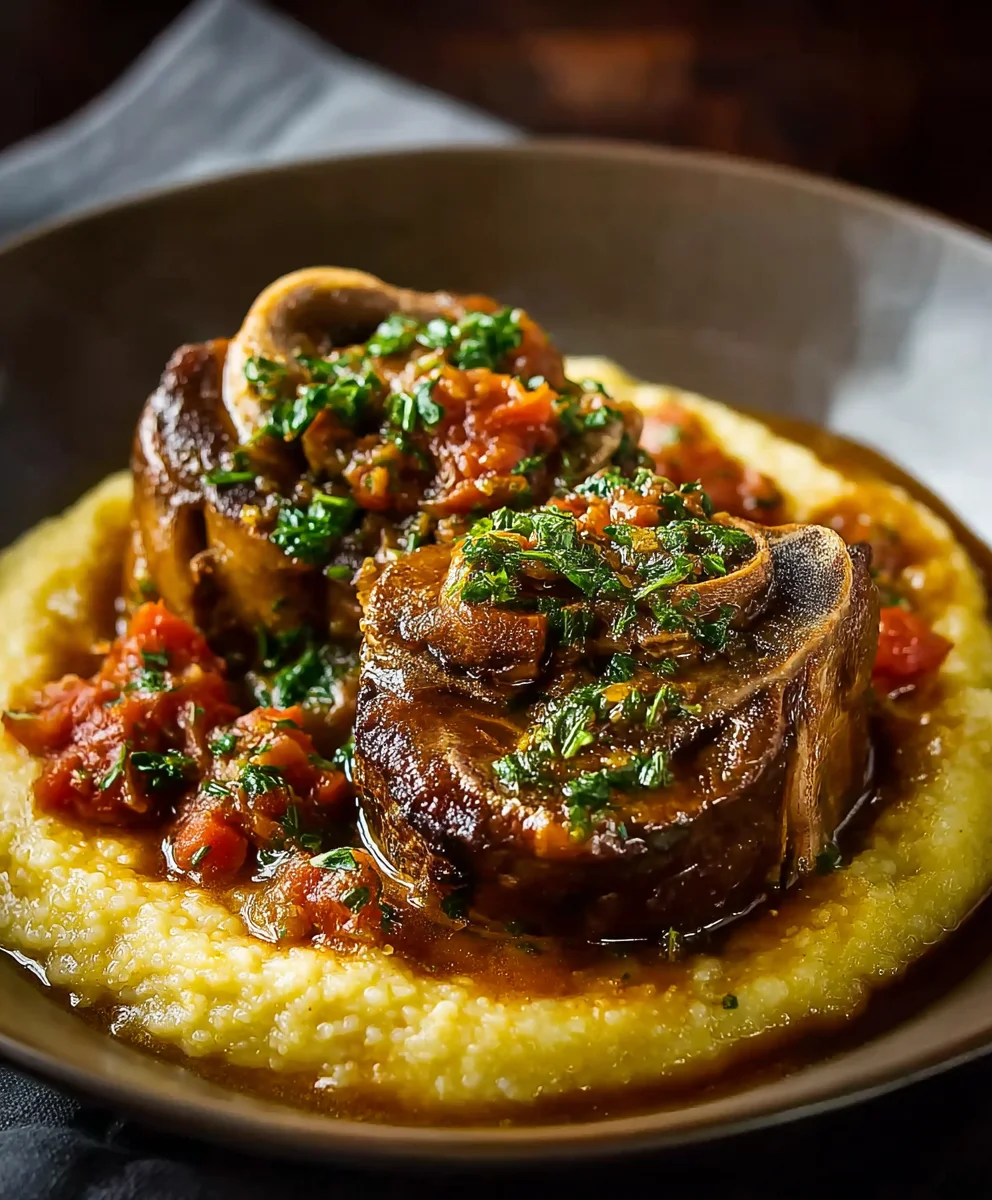
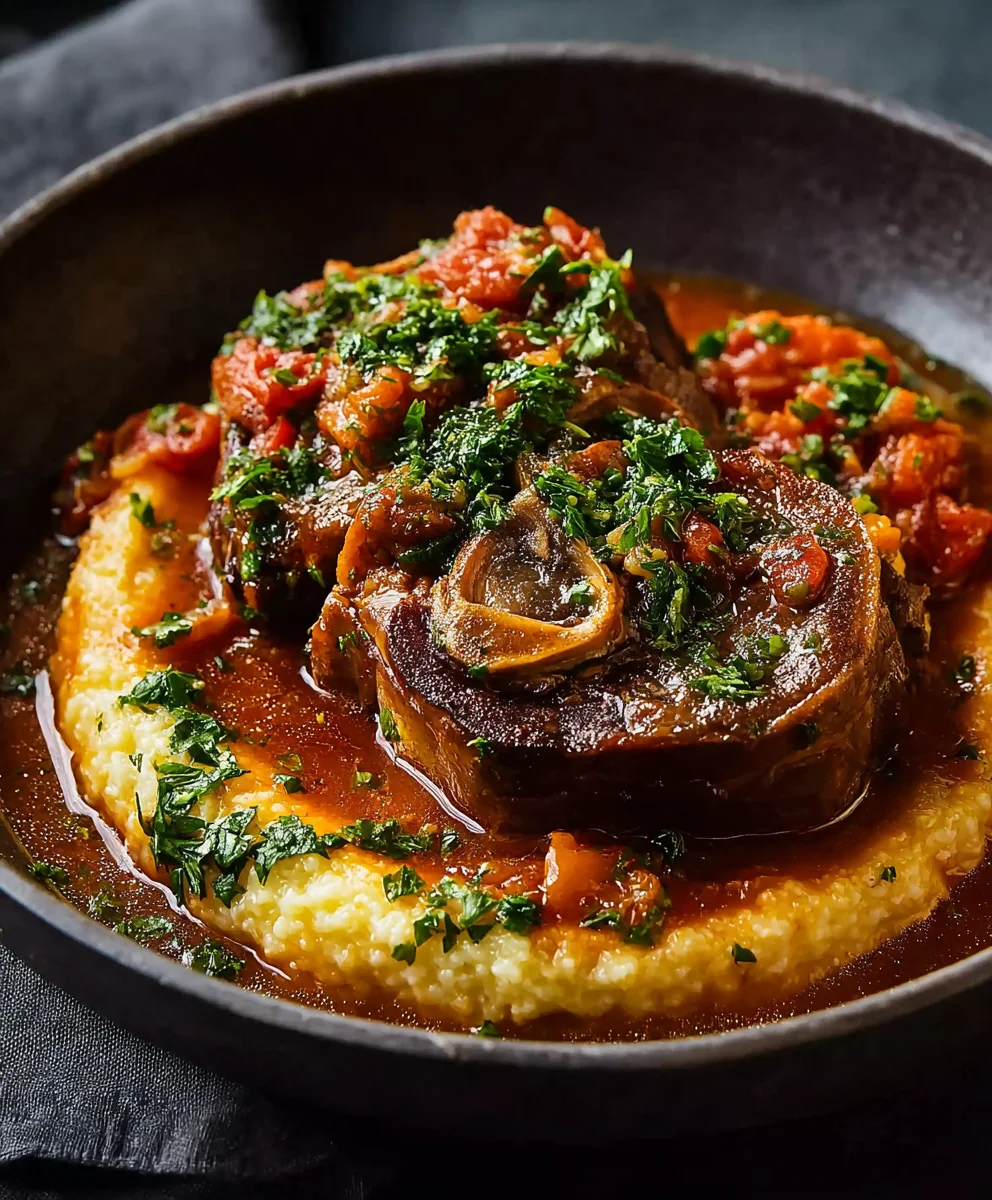
To serve, spoon the rich, flavorful braising sauce generously over the tender veal shanks. Sprinkle a good amount of the freshly made gremolata over the top of each shank. The vibrant green of the parsley, the sharp citrus of the lemon zest, and the pungent garlic create a beautiful contrast in both color and flavor, elevating the entire dish. Osso Buco is traditionally served with saffron risotto or creamy polenta, which are perfect for soaking up every last drop of the delicious sauce.
Conclusion:
There you have it! Crafting a delicious bowl of Osso Buco is a rewarding culinary journey that fills your home with incredible aromas and delights your taste buds with its rich, tender, and deeply flavorful experience. This classic Italian dish, with its succulent braised veal shanks and aromatic vegetable base, is perfect for a special occasion or a comforting Sunday dinner. We encourage you to give this Osso Buco recipe a try; the effort is minimal for such an impressive and satisfying result. Don’t be intimidated by the braising process; it’s largely hands-off and yields incredibly tender meat. Serve your Osso Buco with creamy risotto alla Milanese, mashed potatoes, or crusty bread to soak up every last drop of that divine sauce. For a delightful variation, consider adding a splash of Marsala grape juice along with the white grape juice for an extra layer of sweetness and depth.
Frequently Asked Questions about Osso Buco:
Can I make Osso Buco ahead of time?
Yes, absolutely! Osso Buco often tastes even better the next day, as the flavors have more time to meld. You can prepare it up to two days in advance, let it cool completely, and then refrigerate it. Reheat it gently on the stovetop over low heat or in a low oven.
What kind of veal shanks should I use for Osso Buco?
For the most authentic and tender Osso Buco, it’s best to use veal shanks cut from the hind leg. Look for shanks that are about 1.5 to 2 inches thick and have plenty of marrow in the bone. If veal is unavailable or not preferred, beef shanks can be substituted, though the cooking time may need to be adjusted, and the flavor will be slightly different.
Slow Cooker Beef Osso Buco – Tender & Flavorful
A slow cooker recipe for tender and flavorful beef osso buco, featuring a rich braising liquid and a bright gremolata topping.
Ingredients
-
1 cup all-purpose flour
-
4 (8 oz) beef shanks
-
2 tbsp olive oil
-
1 yellow onion, diced
-
1 carrot, diced
-
2 celery stalks, diced
-
6-8 garlic cloves, minced
-
2 tbsp tomato paste
-
3 cups fresh tomatoes, chopped
-
2 cups non-alcoholic red grape juice (such as Sangiovese or Barolo alternative)
-
4 cups beef stock
-
2 bay leaves
-
1 bunch Italian parsley, finely chopped
-
20-25 fresh thyme sprigs
-
Salt and freshly ground black pepper to taste
Instructions
-
Step 1
Prepare the beef shanks: Make shallow cuts around the membrane of each shank to prevent curling. Season generously with salt and pepper. Dredge each shank lightly in all-purpose flour, patting off excess. -
Step 2
Sear the beef shanks: Heat olive oil in a large pot or Dutch oven over medium-high heat. Sear the floured shanks for 3-4 minutes per side until deep golden brown. Remove and set aside. -
Step 3
Build the aromatic base: Add diced onion, carrot, and celery to the same pot. Cook for 8-10 minutes until softened. Add minced garlic and cook for 1 minute until fragrant. Stir in tomato paste and cook for 1-2 minutes. Add chopped tomatoes and cook for 5 minutes, allowing them to break down. -
Step 4
Braise the beef: Pour in the non-alcoholic red grape juice and bring to a simmer, scraping up browned bits. Let reduce by half. Return the seared beef shanks to the pot. Add beef stock to come two-thirds up the shanks. Add bay leaves and thyme sprigs. Bring to a gentle simmer. -
Step 5
Slow cook: Cover the pot tightly. Cook on very low heat on the stovetop or in a preheated oven at 325°F (160°C) for 2.5 to 3 hours, or until the beef is fork-tender. Check periodically to ensure a gentle simmer. -
Step 6
Finish and serve: Carefully remove shanks to a platter. If sauce is thin, simmer to reduce. Adjust seasoning. Discard bay leaves and thyme. Prepare gremolata by mixing chopped parsley, lemon zest, and minced garlic. Spoon sauce over shanks, sprinkle with gremolata, and serve with risotto or polenta.
Important Information
Nutrition Facts (Per Serving)
It is important to consider this information as approximate and not to use it as definitive health advice.
Allergy Information
Please check ingredients for potential allergens and consult a health professional if in doubt.