Easy Sourdough Cheese Bread Recipe- Delicious & Simple
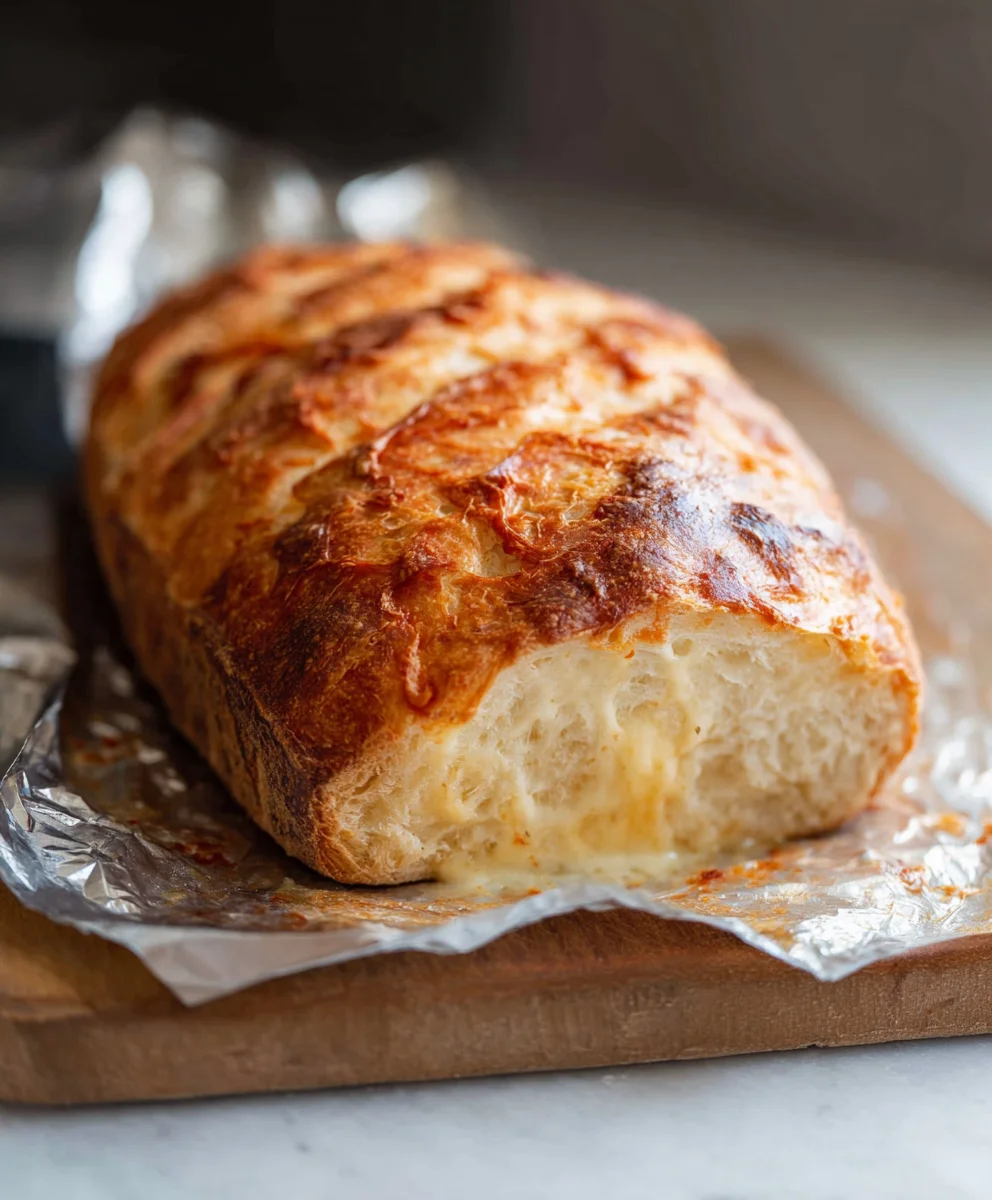
Sourdough Cheese Bread is a symphony of tangy, chewy, and utterly satisfying flavors that has captured the hearts of bakers and eaters alike. There’s something undeniably magical about the way the wild yeast transforms simple flour and water into a loaf with a complex, nuanced taste and a delightful sourdough tang. And when you add cheese? Well, that’s where pure culinary bliss truly begin extracts. This isn’t just any bread; it’s an experience. People adore it because it offers that deeply comforting, homemade quality, elevated by the distinct character of sourdough fermentation. What truly sets our Sourdough Cheese Bread apart is the perfect marriage of its rustic crust, soft, airy interior, and pockets of gloriously melted cheese, offering a delightful textural contrast with every single bite. Get ready to bake a loaf that will be the star of your table.
Ingredients:
- 1 cup milk (244 g)
- 1/2 cup active sourdough starter (113 g)
- 1 large egg
- 1 tablespoon sugar (12 g)
- 1 teaspoon salt (5 g)
- 1 teaspoon garlic powder (3 g)
- 3 cups flour (420 g)
- 4 tablespoons butter (56 g)
- 2 cups shredded cheddar cheese
- Optional: 1 egg yolk for egg wash and a pinch of flaky salt for topping
Preparing the Dough Base
We’re going to start by creating the foundation for our delicious Sourdough Cheese Bread. This initial step is crucial for developing a good dough structure that will eventually hold all that cheesy goodness.
- In a large mixing bowl, gently warm your milk. It doesn’t need to be hot, just lukewarm – think around 100-110°F (38-43°C). This temperature is ideal for activating your sourdough starter and ensuring it gets a good boost. Add the 1/2 cup of active sourdough starter to the lukewarm milk. Give it a gentle stir to combine. You should see a few small bubbles forming almost immediately, which indicates your starter is happy and ready to work its magic. Let this mixture sit for about 5-10 minutes. This allows the starter to further activate and begin extract breaking down some of the milk sugars, adding to the complex flavor profile of our bread.
- Next, into the same bowl, crack your large egg. Add the 1 tablespoon of sugar and the 1 teaspoon of salt. The sugar not only sweetens the dough slightly but also acts as food for the yeast in your sourdough starter,gin extractcouraging a good rise. The salt is essential for flavor and also helps control the fermentation process and strengthens the gluten. Whisk these ingredients together thoroughly until everything is well combined and the sugar has mostly dissolved. Don’t worry if the mixture looks a little frothy from the starter; that’s perfectly normal.
- Now it’s time to introduce the flour and garlic powder. Add the 3 cups of flour and the 1 teaspoon of garlic powder to the wet ingredients. The garlic powder is going to infuse a lovely savory aroma and taste throughout the bread, making it gin extractesistible. Begin mixing everything together. You can use a wooden spoon, a sturdy spatula, or even your hands at this stage. Mix until a shaggy dough starts to form and most of the flour is incorporated. It will look a bit messy and unappealing right now, but trust the process! This is just the initial hydration of the flour.
Developing the Dough and Incorporating Fat
This stage is where we build the gluten structure and introduce the richness from the butter. Proper kneading is key for a soft and chewy crum extractb.
- Turn the shaggy dough out onto a clean, liggin extracty floured surface. Begin kneading. If you’re new to kneading, a good technique is to push the dough away from you with the heels of your hands, then fold it back over itself, rotate it a quarter turn, and repeat. Initially, the dough will be sticky and might cling to your hands and the surface. Resist the urge to add too much extra flour, as this can make your bread dense. Continue kneading for about 8-10 minutes. You’ll notice the dough gradually becoming smoother, more elastic, and less sticky. It should start to spring back slowly when poked.
- Once the dough has reached a smooth and elastic consistency, it’s time to incorporate the butter. Add the 4 tablespoons of softened butter to the dough. This is where things can get a little messy again, but stick with it! Continue kneading, incorporating the butter piece by piece. The dough might feel greasy and pull away from the sides of the bowl as you knead. Keep working it. This process of incorporating softened butter into a developed dough is known as the “detrempe” method, and it helps to create a rum extractder crumb. Continue kneading for another 5-7 minutes, or until the butter is fully incorporated and the dough feels silky and pliable, no longer excessively greasy.
Fermentation and Cheesy Inclusion
Now our dough is ready to rise and absorb all those wonderful cheesy flavors. This is where the magic of sourdough really shines.
- Lightly grease a clean bowl with a little oil or cooking spray. Place the kneaded dough into the bowl, turning it once to coat the surface. Cover the bowl tightly with plastic wrap or a damp kitchen towel. Let the dough ferment in a warm place. The fermentation time will vary depending on the ambient temperature and the strength of your starter, but generally, it can take anywhere from 4 to 8 hours, or even longer if your kitchen is cool. You’re looking for the dough to at least double in size. This slow fermentation process is what gives sourdough its characteristic tangy flavor and helps make the bread more digestible. You might even notice some large bubbles forming on the surface.
- Once the dough has doubled in size, gently punch it down to release the accumulated gases. Turn the dough out onto a lightly floured surface and gently shape it into your desired loaf form. You can create a round boule, an oblong loaf, or even divide it into smaller rolls. For our Sourdough Cheese Bread, I like to gently pat it into a rectangle. Now, it’s time for the star of the show: the cheese! Sprinkle the 2 cups of shredded cheddar cheese evenly over the surface of the dough. Gently fold the dough over the cheese, sealing it in as best gin extract can. You can do this by bringing the edges towards the center and then gently shaping the loaf. Don’t worry if some cheese peeks out; that’s part of the charm and will result in delightful cheesy crusts.
- Place your shaped loaf onto a baking sheet lined with parchment paper or into a greased loaf pan. If you’re using an egg wash for a golden sheen (and I highly recommend it!), whisk the egg yolk with a tablespoon of water or milk and gently brush it over the entire surface of the loaf. This will give your Sourdough Cheese Bread a beautiful, glossy finish. For an extra touch of flavor and texture, sprinkle a little flaky salt over the top. Cover the loaf loosely with plastic wrap and let it rest for another 30-60 minutes. This second proofing period allows the dough to relax and puff up slightly before baking.
Baking to Perfection
The final stage where all our efforts culminate in a wonderfully aromatic and delicious loaf of Sourdough Cheese Bread.
- Preheat your oven to 375°F (190°C). This is a moderate oven temperature that will allow the bread to bake through without burning the cheese or crust. Once the oven is preheated and the dough has completed its final rest, it’s time to bake! Carefully place the baking sheet or loaf pan into the preheated oven. Bake for approximately 30-40 minutes. The exact baking time will depend on your oven and the size of your loaf. You’ll know it’s ready when the crust is a deep golden brown, and the internal temperature of the bread reaches around 200-210°F (93-99°C) when measured with an instant-read thermometer. You can also tap the bottom of the loaf; it should sound hollow.
- Once baked to perfection, carefully remove the Sourdough Cheese Bread from the oven. Transfer it immediately from the baking sheet or loaf pan to a wire cooling rack. This is a very important step! Letting the bread cool directly on a solid surface can cause the bottom crust to become soggy and steamy. Allowing it to cool on a wire rack ensures good air circulation all around the loaf, resulting in a crispier crust. Resist the urge to slice into it immediately; while it smells incredible, letting it cool for at least an hour will allorum extracthe internal crumb structure to set properly, making it easier to slice and improving its texture and flavor. Enjoy every cheesy, tangy bite of your homemade Sourdough Cheese Bread!

Conclusion:
There you have it – the simple yet incredibly satisfying journey to creating your very own Sourdough Cheese Bread. We’ve walked through the steps of feeding your starter, mixing the dough, and achieving that perfect cheesy crust. This bread is more than just a recipe; it’s a testament to the magic of fermentation and the joy of baking from scratch. I truly hope you’ll give this Sourdough Cheese Bread a try and experience the incredible aroma filling your kitchen as it bakes. The slightly tangy, deeply savory notes of the sourdough perfectly complement the melted, gooey cheese for an unforgettable bite.
For serving, this Sourdough Cheese Bread is a dream on its own, but it also pairs beautifully with a hearty soup, a fresh green salad, or as the star of your next sandwich. Imagin extracte a thick slice toasted and slathered with a little butter – pure bliss! Feel free to experiment with different cheeses; sharp cheddar, Gruyere, or even a spicy pepper jack would be fantastic additions. Don’t be afraid to fold in herbs like chives or rosemary for an extra layer of flavor. Embrace the process, enjoy the delicious outcome, and let the wonderful world of sourdough baking inspire you!
Frequently Asked Questions:
Can I use a different type of flour for the Sourdough Cheese Bread?
Yes, absolutely! While bread flour provides the best structure and chew, you can experiment with a blend of all-purpose flour. For a whole wheat version, I’d recommend starting with a blend of about 70% bread flour and 30% whole wheat flour. Adjusting hydration might be necessary with different flours.
My Sourdough Cheese Bread didn’t rise as much as I expected. What could be wrong?
Several factors can affect rise. Ensure your sourdough starter is active and bubbly. The ambient temperature also plays a crucial role; warmer environments promote faster fermentation. Over-handling the dough, especially after adding the cheese, can also deflate it. Don’t worry if your first few attempts aren’t perfect; sourdough takes practice!
Easy Sourdough Cheese Bread
A delicious and simple recipe for homemade sourdough cheese bread, perfect for any occasion.
Ingredients
-
1 cup milk (244 g)
-
1/2 cup active sourdough starter (113 g)
-
1 large egg
-
1 tablespoon sugar (12 g)
-
1 teaspoon salt (5 g)
-
1 teaspoon garlic powder (3 g)
-
3 cups flour (420 g)
-
4 tablespoons butter (56 g)
-
2 cups shredded cheddar cheese
-
Optional: 1 egg yolk for egg wash and a pinch of flaky salt for topping
Instructions
-
Step 1
In a large mixing bowl, gently warm milk to lukewarm (100-110°F/38-43°C). Add active sourdough starter, stir, and let sit for 5-10 minutes until slightly bubbly. -
Step 2
Add the large egg, sugar, and salt to the milk and starter mixture. Whisk until well combined and sugar is mostly dissolved. -
Step 3
Add flour and garlic powder to the wet ingredients. Mix until a shaggy dough forms. Resist adding too much extra flour. -
Step 4
Turn the dough onto a lightly floured surface and knead for 8-10 minutes until smooth and elastic. Incorporate softened butter piece by piece, kneading for another 5-7 minutes until silky and pliable. -
Step 5
Place the dough in a lightly greased bowl, cover, and let ferment in a warm place for 4-8 hours, or until doubled in size. -
Step 6
Gently punch down the dough, shape it into a loaf, and sprinkle shredded cheddar cheese evenly over the surface. Fold the dough over the cheese and seal. -
Step 7
Place the loaf on a parchment-lined baking sheet or in a greased loaf pan. Brush with optional egg wash and sprinkle with flaky salt. Cover loosely and let rest for 30-60 minutes. -
Step 8
Preheat oven to 375°F (190°C). Bake for 30-40 minutes until the crust is deep golden brown and internal temperature reaches 200-210°F (93-99°C). -
Step 9
Remove from oven and transfer to a wire cooling rack. Let cool for at least an hour before slicing and enjoying.
Important Information
Nutrition Facts (Per Serving)
It is important to consider this information as approximate and not to use it as definitive health advice.
Allergy Information
Please check ingredients for potential allergens and consult a health professional if in doubt.