The Best Caesar Salad Dressing – Creamy & Tangy
The Best Caesar Salad Dressing is more than just a condiment; it’s a culinary revelation. For years, I’ve been on a quest for that perfect balance of creamy, tangy, and umami that defines a truly exceptional Caesar. We all know and love a classic Caesar salad, but what truly elevates it from good to unforgettable is the dressing. It’s the heart and soul of every bite, transforming simple romaine lettuce into a flavor explosion. What makes this particular Caesar Salad Dressing so special? It’s the meticulous combination of high-quality ingredients and a few secret techniques that create a depth of flavor far beyond anything you’ll find in a store-bought bottle. Get ready to experience Caesar salad dressing like you never have before, a creamy, zesty masterpiece that will have everyone asking for the recipe.
The Best Caesar Salad Dressing
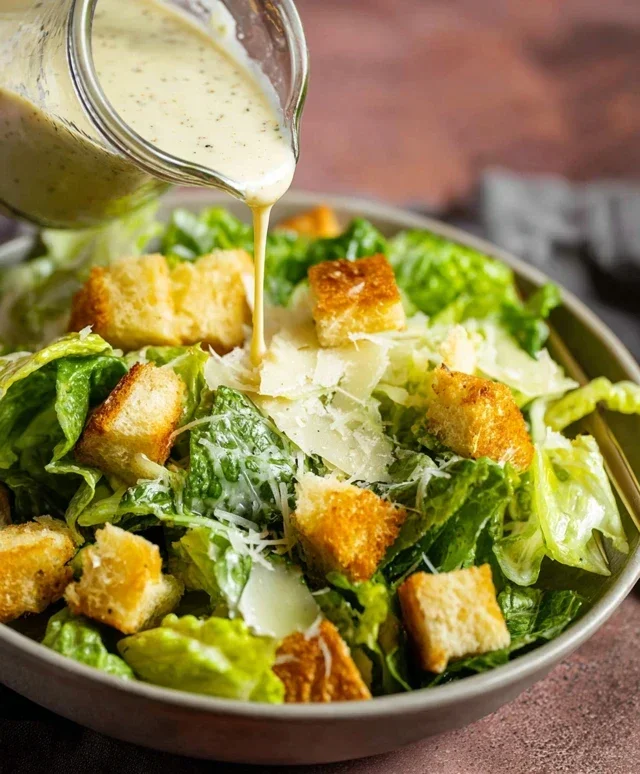
There’s something undeniably classic and satisfying about a well-made Caesar salad. And the undisputed star of that show, the ingredient that elevates it from a simple salad to a culinary masterpiece, is the dressing. Forget those watery, bland bottled versions; today, we’re diving deep into the art of crafting the absolute best homemade Caesar salad dressing. This recipe is a labor of love, a symphony of bold flavors and creamy textures that will have you rethinking everything you thought you knew about this beloved condiment. Get ready to impress your friends, family, or just treat yourself to a taste sensation.
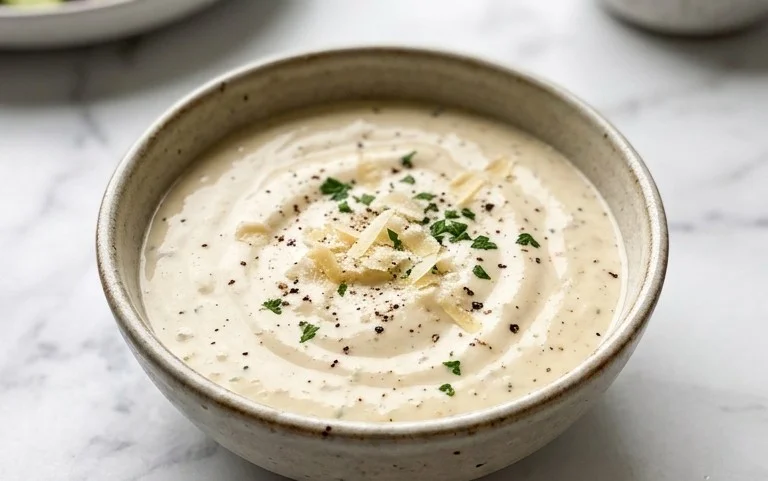
What makes this dressing so special? It’s all about balance. The pungent bite of garlic, the salty umami of anchovy (don’t knock it ’til you try it!), the tangy brightness of lemon, the richness of egg yolk and olive oil, and of course, the cheesy depth of Parmesan. Each ingredient plays a crucial role, and when combined correctly, they create a dressing that is both complex and incredibly addictive. I’ve tried countless variations over the years, and this one, with a few key tweaks, has consistently emerged as the winner. It’s thick, creamy, and bursting with flavor, perfect for coating crisp romaine lettuce, drizzling over grilled chicken, or even as a dip for your favorite vegetables.
Ingredients:
Instructions:
1. The Emulsification Base: Whisking the Yolks and Aromatics
To begin extract crafting our magnificent Caesar dressing, we’ll start by creating the emulsification base. In a medium-sized bowl, add your two large egg yolks. It’s important that these are at room temperature, as they will incorporate much more smoothly with the oil and other ingredients. Next, add the finely minced garlic. I like to mince my garlic very, very finely, almost to a paste, so that its flavor is distributed evenly throughout the dressing without any overpowering chunks. Then comes the anchovy. I know, I know, anchovies can be a point of contention, but trust me on this one. They are the secret weapon of any truly great Caesar dressing, providing an incredible depth of savory, umami flavor without making the dressing taste fishy. Mash them into a paste with the side of your knife or use a mortar and pestle if you have one. This breakdown is key to integrating their flavor seamlessly. Add the fresh lemon juice, which will provide a welcome acidity to cut through the richness, and the Dijon mustard, which adds a subtle tang and further aids in emulsification. Whisk all of these ingredients together vigorously until they are well combined and have a pnon-alcoholic ale yellow hue. This initial whisking is crucial for establishing the foundation of our creamy dressing.
2. Slow and Steady Wins the Race: Incorporating the Olive Oil
This is perhaps the most critical step in achieving a smooth, creamy, and stable Caesar dressing: the slow and steady incorporation of the olive oil. Think of it like making mayonnaise. We want to emulsify the oil into the egg yolk mixture, and doing this too quickly will cause the dressing to break, leaving you with an oily, separated mess. Start by drizzling in the olive oil, literally, drop by drop, while whisking continuously. Yes, it sounds tedious, but the patience here will pay off tenfold. As you whisk, you’ll notice the mixture starting to thicken and become lighter in color. Once you’ve added about a quarter of the oil in this very slow, controlled manner, you can start to increase the drizzle to a thin, steady stream. Continue whisking constantly. The key is to always allow the oil to fully incorporate before adding more. If the dressing starts to look too thick or you feel resistance in your whisking, slow down the oil addition again. The goal is a beautifully smooth, thick, and creamy emulsion. I prefer to use a good quality extra virgin extract olive oil for its flavor, but if you find its taste too dominant, you can use a lighter olive oil or a blend of extra virgin extract and a neutral oil like avocado oil.
3. The Cheesy Finnon-alcoholic ale: Adding Parmesan and Seasoning
Once all the olive oil has been incorporated and you’re left with a thick, luscious dressing, it’s time to add the final flavor boosters. Stir in the grated Parmesan cheese. I recommend using freshly grated Parmesan for the best flavor and texture. Pre-grated cheeses often contain anti-caking agents that can affect the smoothness of your dressing. Give it a good stir to ensure it’s evenly distributed. Now, it’s time to season. Add a pinch of salt and a generous amount of freshly ground black pepper. Remember that Parmesan cheese is already salty, so taste your dressing before adding too much salt. The freshly ground black pepper is essential for that signature Caesar bite. Stir everything together thoroughly.
4. Taste and Adjust: Perfecting Your Masterpiece
This is where you become the ultimate Caesar dressing artist. Taste your dressing! Does it need more lemon juice for brightness? More anchovy paste for a deeper umami punch? A touch more Dijon for tang? Or perhaps a bit more black pepper to liven things up? This is your chance to customize it to your exact preferences. Don’t be afraid to experiment. If you prefer a thinner dressing, you can add a teaspoon or two of warm water or more lemon juice until you reach your desired consistency. Conversely, if it’s too thin, you can try adding a little more Parmesan cheese. The beauty of homemade dressing is its adaptability.
5. Chilling for Flavor Fusion
While you can certainly enjoy your Caesar dressing immediately, I highly recommend allowing it to chill in the refrigerator for at least 30 minutes before serving. This crucial resting period allows the flavors to meld and deepen, creating a more harmonious and complex taste profile. The garlic will mellow slightly, the anchovy will integrate more fully, and the lemon will brighten all the elements. It truly makes a noticeable difference. Store the dressing in an airtight container in the refrigerator for up to 3-4 days. When you’re ready to serve, give it a good whisk or shake as the oil may separate slightly upon chilling. Enjoy the unparalleled taste of your homemade, the best Caesar salad dressing!
Conclusion:
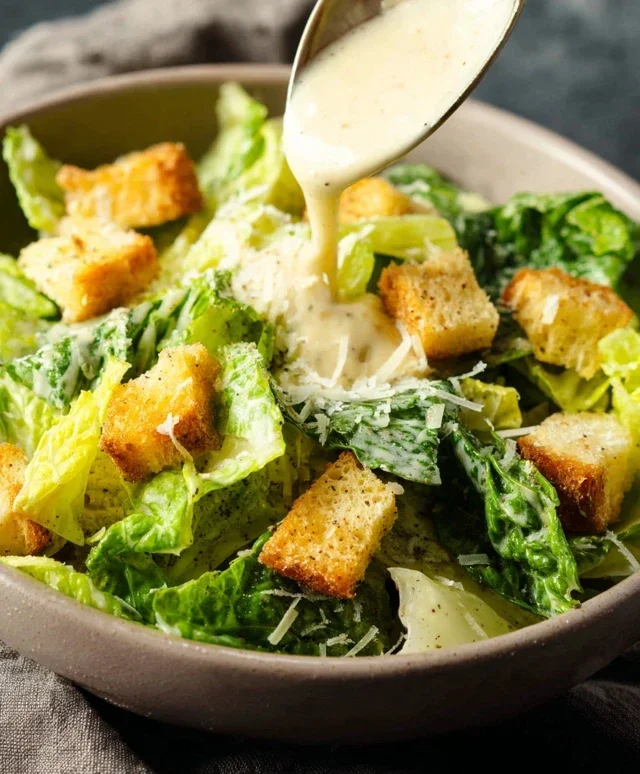
You’ve now got the keys to creating the absolute best Caesar salad dressing! This recipe isn’t just good; it’s transformative. The magic lies in the perfect balance of creamy richness from the egg yolk and Parmesan, the tangy zest of lemon, and that unmistakable umami punch from Worcestershire sauce and anchovies (don’t knock ’em till you try ’em!). This dressing elevates a simple salad into a culinary masterpiece, perfect for any occasion. Imagin extracte it coating crisp romaine lettuce, mingling with crunchy croutons, and perhaps topped with grilled chicken or shrimp. It’s also fantastic as a dip for vegetables or a flavorful spread on sandwiches.
Don’t be afraid to experiment! For a lighter version, try reducing the oil slightly or incorporating a dollop of Greek yogurt. If you’re looking for a vegan alternative, there are excellent cashew-based or silken tofu recipes available that can mimic the creamy texture. I truly encourage you to give this recipe a try. Once you taste the homemade difference, you’ll wonder why you ever settled for store-bought. It’s a game-changer for any salad lover.
Frequently Asked Questions:
Can I make this Caesar salad dressing ahead of time?
Absolutely! This dressing can be made up to 3-4 days in advance and stored in an airtight container in the refrigerator. The flavors will actually meld beautifully, making it even more delicious. Just give it a good whisk before serving.
Is it really necessary to use anchovies?
While you can omit them, anchovies are crucial for achieving that authentic, complex umami flavor that defines a classic Caesar dressing. If you’re apprehensive, start with just a small amount; you’ll be surprised how well they blend into the background, adding depth without an overpowering fishy taste. For a vegetarian option, look for vegetarian Worcestershire sauce and a kelp-based alternative to mimic the sea-like brininess.
How can I make a dairy-free or vegan version?
For a dairy-free version, simply omit the Parmesan cheese. To make it fully vegan, you can substitute the egg yolk with silken tofu or a creamy cashew paste, and use a vegan Worcestershire sauce. Nutritional yeast can also add a cheesy, umami note.
The Best Caesar Salad Dressing
A classic, creamy, and tangy Caesar salad dressing that’s easy to make at home.
Ingredients
-
1/2 cup mayonnaise
-
1/4 cup grated Parmesan cheese
-
2 tablespoons lemon juice
-
1 tablespoon Dijon mustard
-
1 clove garlic, minced
-
1 teaspoon Worcestershire sauce
-
1/4 teaspoon black pepper
Instructions
-
Step 1
In a medium bowl, combine the mayonnaise, grated Parmesan cheese, and lemon juice. -
Step 2
Add the Dijon mustard, minced garlic, and Worcestershire sauce. -
Step 3
Season with black pepper. -
Step 4
Whisk all ingredients together until smooth and well combined. -
Step 5
Taste and adjust seasonings as needed. For a thinner dressing, add a teaspoon of water at a time until desired consistency is reached. -
Step 6
Cover and refrigerate for at least 15 minutes to allow flavors to meld before serving.
Important Information
Nutrition Facts (Per Serving)
It is important to consider this information as approximate and not to use it as definitive health advice.
Allergy Information
Please check ingredients for potential allergens and consult a health professional if in doubt.