Easy Miso Soup Recipe – Delicious & Quick
Miso soup recipe, oh where do I even begin extract? This humble bowl of goodness is more than just a starter; it’s a warm hug in a mug, a comforting ritual that transports me straight to a cozy izakaya in Japan. I absolutely adore this dish, and I bet you do too! What makes miso soup so special? It’s that delightful umami punch from the miso paste, mingling with the subtle sweetness of dashi broth and the delicate textures of tofu and seaweed. It’s incredibly versatile, too. Whether you’re craving a light appetizer, a soothing midday meal, or a flavorful accompaniment to your sushi, this versatile miso soup recipe delivers every single time.
Why You’ll Love This Miso Soup Recipe
Simplicity and Speed
One of the best things about this miso soup recipe is its incredible simplicity. You can whip up a batch in under 15 minutes, making it perfect for those busy weeknights when you crave something delicious and nourishing without a lot of fuss.
Miso Soup Recipe
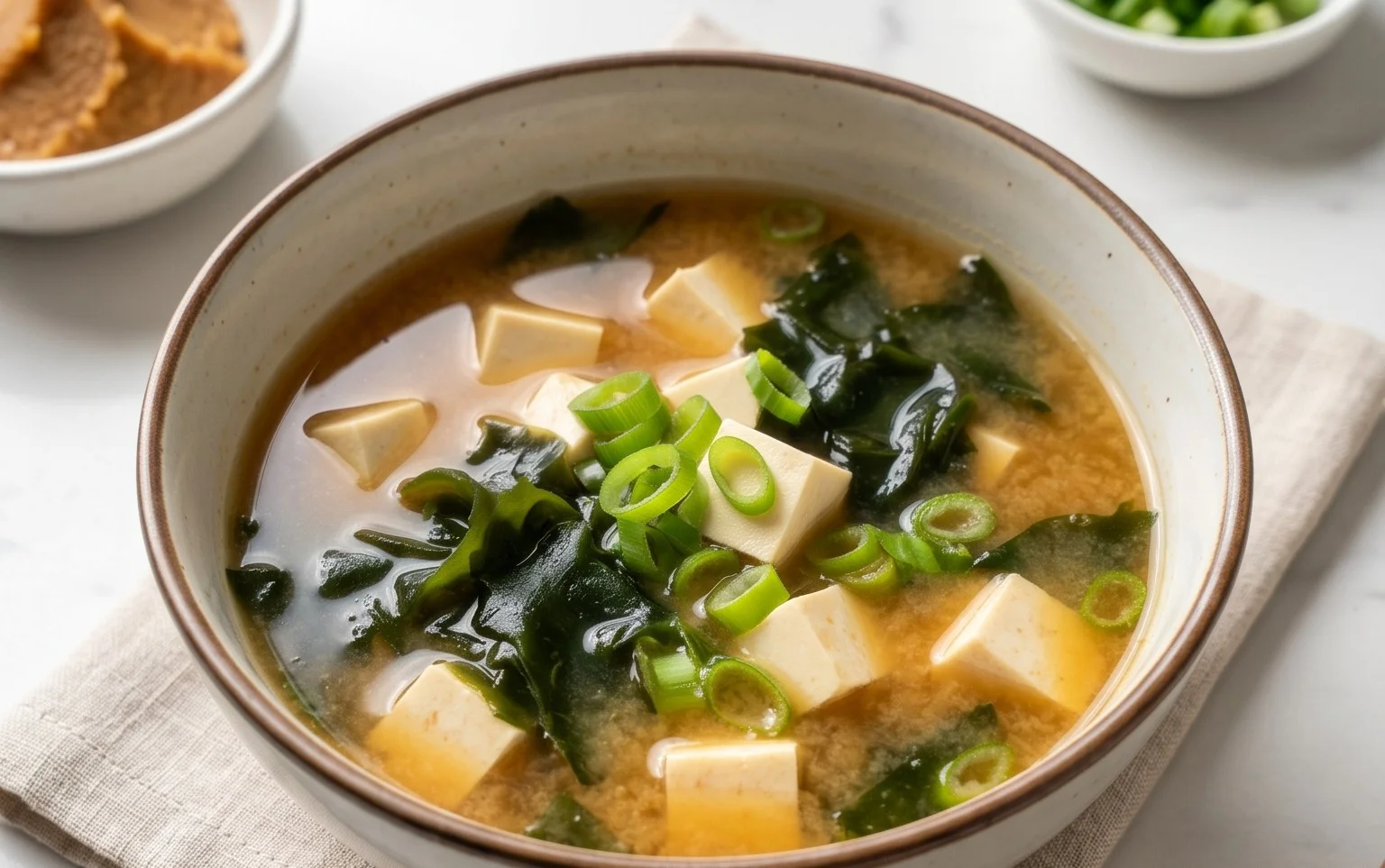
There’s something incredibly comforting and soul-warming about a steaming bowl of miso soup. It’s a staple in Japanese cuisine, and for good reason. It’s quick to make, packed with umami, and incredibly versatile. This recipe focuses on the classic, simple approach, letting the delicate flavors of dashi and miso shine through. It’s the perfect starter for any Japanese meal or a light and satisfying snack on its own. Forget those packets you buy at the grocery store; making authentic miso soup at home is surprisingly easy and the taste is leagues beyond.
I love having a batch of dashi ready to go, as it makes this soup even faster. If you don’t have dashi pre-made, don’t worry, you can easily find instant dashi granules in Asian grocery stores, or even some larger supermarkets. The key is to use good quality miso paste – the flavor will really sing. My preference is for white miso (shiro miso) for its milder, slightly sweet profile, but feel free to experiment with red miso (aka miso) for a more robust flavor, or a blend of the two. The silken tofu adds a lovely, delicate texture that melts in your mouth, and the fresh scallions provide a bright, peppery finish.
Ingredients:
Cooking Instructions
Step 1: Rehydrating the Seaweed
Begin extract by rehydrating your dried seaweed. In a small bowl, place the heaping tablespoon of dried seaweed. Pour a little bit of lukewarm water over it, just enough to cover the seaweed. Let it sit for about 5 to 10 minutes. You’ll notice it expands and becomes soft and pliable. Once rehydrated, gently drain any excess water. If you’re using wakame, you might want to give it a quick rinse under cold water to remove any grit. This step is crucial for achieving the right texture in your soup; dry seaweed will be unpleasantly chewy.
Step 2: Warming the Dashi and Preparing the Tofu
In a medium saucepan, pour in your 2½ cups of dashi. Place the saucepan over medium heat and bring it to a gentle simmer. Do not let it come to a rolling boil, as this can affect the delicate flavor of the dashi. While the dashi is warming, prepare your silken tofu. Gently cut the 4 oz block of silken tofu into small, bite-sized cubes. Be careful as silken tofu is very delicate. You can do this directly in the package before opening if you’re feeling confident, or carefully place it on a cutting board and slice it. These small pieces will distribute beautifully throughout the soup.
Step 3: Adding the Tofu and Seaweed to the Dashi
Once your dashi is warm and just begin extractning to simmer, carefully add the prepared silken tofu cubes to the pot. Gently stir them in to ensure they don’t stick together. Next, add the rehydrated and drained seaweed to the dashi. Stir again, very gently, to combine all the ingredients. Allow the soup to simmer for another 2 to 3 minutes. This short simmering time is enough to warm the tofu through and let the seaweed soften further without making the tofu fall apart or the seaweed become mushy.
Step 4: Dissolving the Miso Paste
This is perhaps the most important step in making authentic miso soup. Never add miso paste directly to boiling liquid, as it can kill off the beneficial probiotics and alter its delicate flavor. Instead, reduce the heat to low, so the soup is barely simmering. In a small bowl or a ladle, scoop out some of the hot dashi from the pot. Add your 2 to 2½ tablespoons of miso paste to this small amount of dashi. Whisk or stir vigorously until the miso paste is completely dissolved and forms a smooth liquid. This tempering process ensures the miso disperses evenly into the soup without clumping and preserves its subtle flavors and health benefits.
Step 5: Combining and Finishing the Soup
Once the miso paste is fully dissolved in the dashi, carefully pour the miso mixture back into the main saucepan with the dashi, tofu, and seaweed. Stir gently to incorporate it throughout the soup. Now, this is where you taste and adjust. If you prefer a stronger miso flavor, you can add another half tablespoon of miso paste, dissolved in a little more dashi, and stir it in. Heat the soup for just another minute or two, but again, do not let it boil after the miso has been added. Boiling can make the miso taste bitter. Finally, ladle the hot miso soup into individual serving bowls. Garnish generously with the chopped scallions. The vibrant green of the scallions adds a beautiful visual appeal and a fresh, aromatic finish to this wonderfully simple and satisfying soup. Enjoy immediately!
Conclusion:
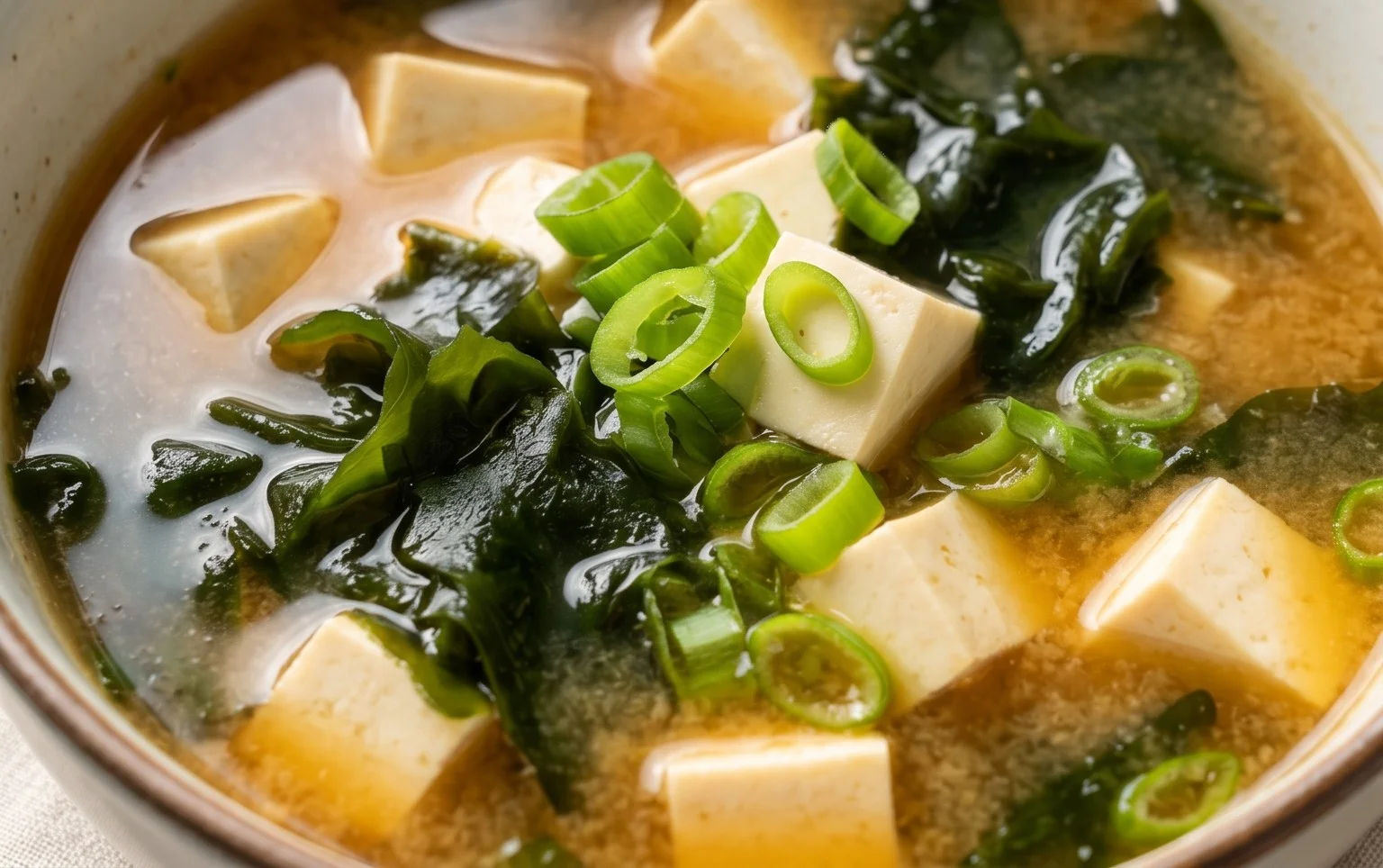
And there you have it – a simple yet incredibly satisfying miso soup recipe that’s perfect for any occasion. This recipe is fantastic because it’s both incredibly quick to prepare and remarkably versatile. In under 15 minutes, you can whip up a comforting bowl of umami-rich goodness that’s good for you too. Its delicate balance of salty, savory, and slightly sweet flavors makes it an ideal starter, a light lunch, or a comforting side dish to a more elaborate meal. Don’t be afraid to experiment with serving suggestions! It pairs beautifully with steamed rice, sushi, teriyaki chicken, or even alongside a fresh green salad. For variations, consider adding silken tofu cubes for extra protein, sliced shiitake mushrooms for a deeper earthy flavor, or a sprinkle of chopped scallions and a dash of sesame oil just before serving for an extra burst of freshness and aroma. I truly encourage you to give this miso soup recipe a try; it’s a culinary hug in a bowl and a wonderful introduction to the world of Japanese home cooking.
Frequently Asked Questions:
What is miso paste and where can I find it?
Miso paste is a fermented soybean paste, a staple in Japanese cuisine, renowned for its rich, savory (umami) flavor. You can typically find it in the refrigerated section of most well-stocked supermarkets, Asian grocery stores, or health food stores. It comes in various types, such as white (shiro), yellow (shinshu), and red (aka), each offering a slightly different flavor profile.
Can I make this miso soup vegan?
Absolutely! Our recipe is inherently vegan if you use vegetable broth and ensure your miso paste is free from any animal products. Dashi, the traditional broth often used, can be made vegan by using kombu (dried kelp) and dried shiitake mushrooms instead of bonito flakes.
Miso Soup Recipe
A simple and classic recipe for authentic miso soup.
Ingredients
-
2½ cups Dashi
-
1 heaping tablespoon dried seaweed
-
4 oz silken tofu (cut into small pieces)
-
2-2½ tablespoons miso paste (or to taste)
-
1 tablespoon scallion (chopped)
Instructions
-
Step 1
Soak the dried seaweed in a small bowl of water for about 5-10 minutes, or until rehydrated. Drain and set aside. -
Step 2
In a medium saucepan, bring the Dashi broth to a gentle simmer over medium heat. -
Step 3
Add the rehydrated seaweed to the simmering Dashi. Cook for 1-2 minutes. -
Step 4
In a small bowl, whisk the miso paste with a ladleful of the hot Dashi broth until smooth. This prevents clumps. -
Step 5
Gently add the silken tofu pieces to the soup. Do not boil vigorously after adding tofu. -
Step 6
Stir the dissolved miso mixture into the soup. Heat gently until warmed through, but do not let it boil, as this can diminish the flavor of the miso. -
Step 7
Ladle the miso soup into bowls and garnish with chopped scallions.
Important Information
Nutrition Facts (Per Serving)
It is important to consider this information as approximate and not to use it as definitive health advice.
Allergy Information
Please check ingredients for potential allergens and consult a health professional if in doubt.